What is 3D Dental Technology and How Does it Work?
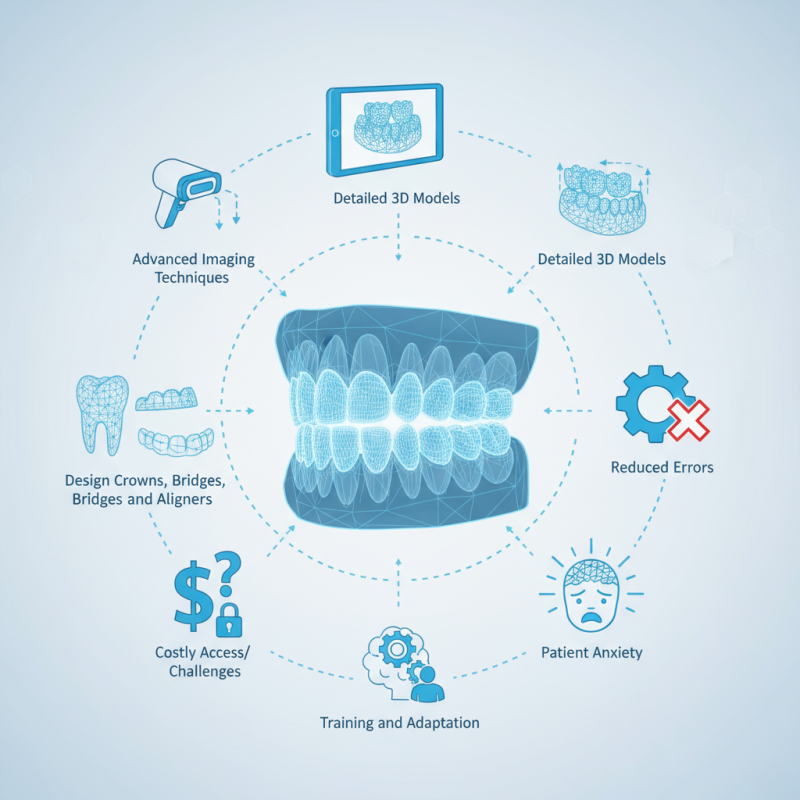
3D dental technology is transforming the field of dentistry. It offers precise and efficient solutions for various dental procedures. This technology utilizes advanced imaging techniques to create detailed 3D models of patients' teeth and gums.
With 3D dental tools, professionals can design crowns, bridges, and aligners more accurately. This innovation reduces errors and improves patient outcomes. However, there are challenges. Access to 3D dental technology can be costly for some practices. Not every dental office has embraced this change yet.
The implementation of 3D dental technology requires training and adaptation. Dentists must learn to use new software and equipment. Additionally, some patients may feel anxious about these advanced tools. Understanding these factors is crucial as the industry evolves.
What is 3D Dental Technology?
3D dental technology refers to advanced techniques that use three-dimensional imaging and modeling in dentistry. It revolutionizes the way dental procedures are performed. Dentists can create precise digital models of patients' teeth and jaws with 3D scanners. This technology enhances accuracy in diagnosis and treatment planning.
According to a recent industry report, the global market for 3D dental technology is expected to grow significantly. It is projected to reach $3 billion by 2025. This growth reflects the rising demand for digital solutions in dentistry. Hospitals and clinics increasingly adopt 3D printing for prosthetics and orthodontics. However, not all practices have equally embraced this shift. Some still rely on traditional methods due to cost or lack of training.
The benefits of 3D dental technology are striking. It can reduce the time spent on procedures and improve patient satisfaction. For instance, creating dental crowns takes less time than conventional methods. Yet, challenges exist. The initial investment can be high, and not every dentist is trained to use these advanced tools. As technology evolves, the dental community must adapt. Continuous education and updates are essential for maximizing the potential of 3D dental technology.
Key Components of 3D Dental Technology
3D dental technology revolutionizes how dental care is delivered. It relies on several key components. One major element is 3D scanning. This process captures detailed images of a patient’s teeth and gums. With precision, it transforms physical impressions into digital models. These models help in diagnostics and treatment planning.
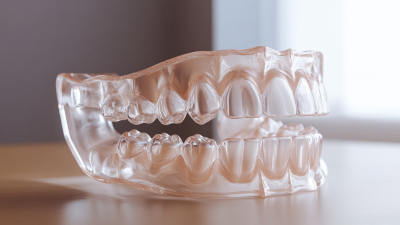
Another crucial component is 3D printing. This technology allows for the creation of dental devices and prosthetics. Custom molds, crowns, and aligners can be made efficiently. While this precision enhances care, it can also lead to over-reliance on technology. Some dentists might miss the nuances of manual techniques. It’s essential to strike a balance between tech and traditional skills.
Finally, software integration plays a significant role. Advanced programs aid in modeling and simulations. They provide visualizations that improve understanding between patients and dentists. However, not all software is user-friendly. Some may require extensive training. This presents a challenge, as many professionals must adapt quickly. How well they embrace these tools determines success in modern dentistry.
What is 3D Dental Technology and How Does it Work? - Key Components of 3D Dental Technology
| Component |
Description |
Benefits |
| 3D Scanners |
Devices that capture the physical dimensions of a dental structure in three dimensions. |
High accuracy, quick data acquisition, reduces patient chair time. |
| CAD Software |
Computer-aided design software used for creating detailed 3D models of dental structures. |
Allows precise customization, improves design efficiency, enhances visualization. |
| 3D Printers |
Machines that create physical dental models from digital designs by layering materials. |
Rapid prototyping, cost-effective production of dental appliances, high precision. |
| Milling Machines |
Devices that carve dental restorations from blocks of material based on CAD designs. |
Durable restorations, reduced material waste, immediate results. |
| Software Integration |
Systems that combine various software platforms for seamless workflows in digital dentistry. |
Streamlined processes, improved collaboration, enhanced accuracy. |
How 3D Scanning Works in Dentistry
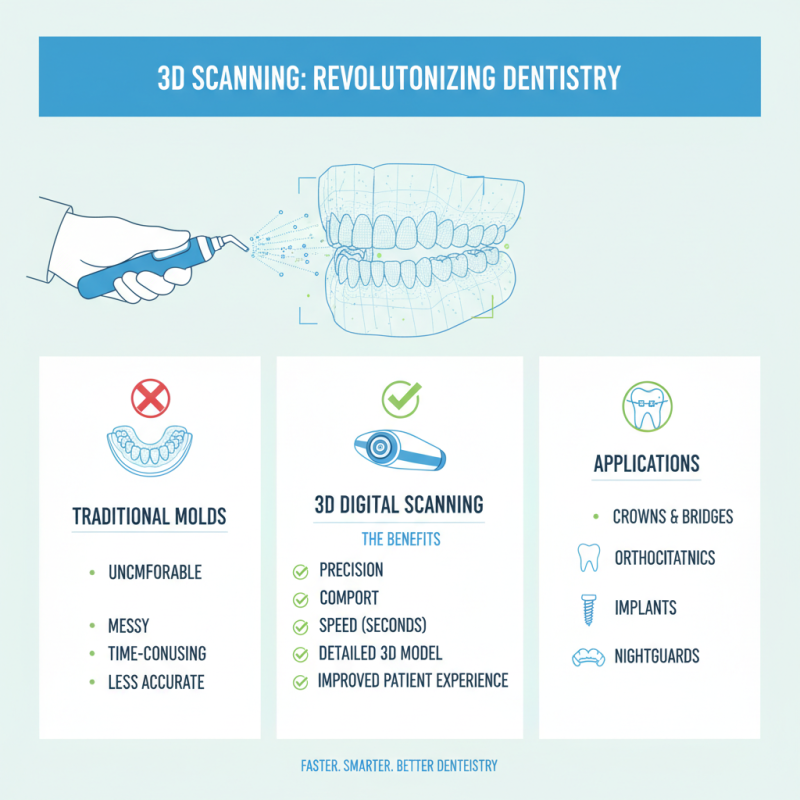
3D scanning technology is revolutionizing dentistry. It allows for precise measurements and detailed images of a patient’s mouth. This technique replaces traditional molds, which can be uncomfortable for many. Using a small, handheld scanner, dentists capture thousands of data points in seconds. The result is a highly accurate digital model of teeth and gums.
The process begins with the dentist moving the scanner inside the mouth. It uses lasers or light to scan surfaces, creating a 3D representation. The images generated are instantly displayed on a computer screen. This real-time feedback can help identify issues that may need attention. However, not all practitioners are comfortable with this technology yet. Some may still prefer conventional methods. There is a learning curve associated with mastering this equipment.
While 3D scanning improves accuracy, there are challenges to consider. Equipment costs can be high, limiting accessibility for some clinics. Additionally, not every patient responds well to the scanning process. Some may feel anxious or claustrophobic. The need for patient adaptation must be recognized. Each step forward in 3D technology can bring about new complications to navigate.
Benefits of 3D Printing in Dental Practices
3D printing has revolutionized dental practices in recent years. This technology allows for the rapid creation of dental appliances, surgical guides, and custom implants. Using digital scans, dental teams can print precise models that fit patients perfectly. The accuracy of these models enhances patient comfort and satisfaction.
One significant benefit is cost-effectiveness. 3D printing reduces material waste and minimizes labor costs. Additionally, it shortens production times, enabling quicker turnarounds. Patients can receive treatment faster, which is a major plus. However, not all dental practices have adopted this technology. Some may find the initial investment daunting.
Moreover, while 3D printing has many advantages, it doesn’t come without challenges. The technology requires dental professionals to have specialized training. Mishandling or improper setup of printers can lead to errors. This raises questions about reliability and consistency. Therefore, continuous learning and adaptation are essential in this evolving field.
Benefits of 3D Printing in Dental Practices