
7 Best Breathing Strips for Better Sleep?
Better sleep can begin with a small adhesive strip across the nose. Yet Breathing Strips are not magic, and their benefits vary between sleepers.
Sinus surgeon and nasal-breathing expert Dr. Jordan S. Josephson has described the nose as “the air conditioner of the lungs.” His observation explains why nasal airflow matters at night. The nose warms, filters, and humidifies incoming air before it reaches the lungs. When congestion narrows the nasal passages, a strip may gently lift the outer nasal walls. That extra space can feel noticeable, especially when lying flat.
Small change. Sometimes useful.
This guide examines seven popular Breathing Strips for comfort, adhesive strength, flexibility, skin sensitivity, and overnight performance. We consider practical details, too. Does the strip stay attached after turning? Does it leave redness in the morning? Can it handle facial oil, sweat, or a humid bedroom?
The evidence deserves a careful reading. Breathing Strips may improve the feeling of nasal airflow, but they do not treat obstructive sleep apnea. They also cannot replace medical advice for persistent snoring, choking during sleep, or daytime exhaustion. Some users report clearer breathing immediately. Others notice little difference.
That inconsistency matters.
A good choice depends on your nose, skin, sleep position, and expectations. Before applying one, clean and dry the skin. Remove it slowly after waking. If irritation appears, stop using it.
The “best” strip is not identical for everyone. This comparison aims to make that decision clearer, while admitting where personal experience remains stronger than the research.
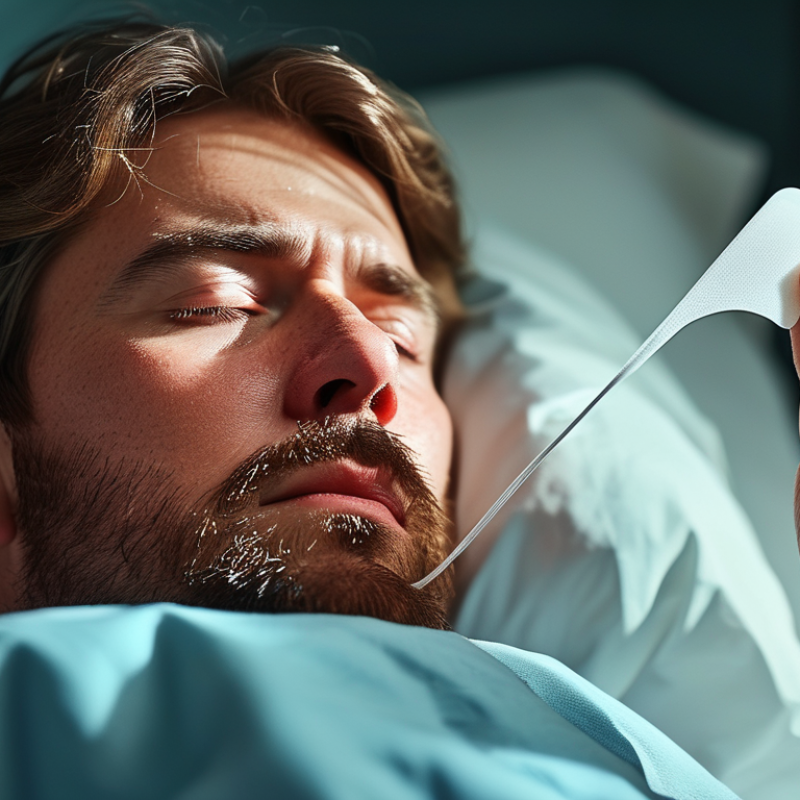
What Breathing Strips Are and How They May Support Better Sleep
Breathing strips are thin adhesive bands placed across the nose. They gently lift the outer nasal passages, which may make airflow feel easier during sleep. They do not deliver oxygen or keep the throat open.
The American Academy of Sleep Medicine recommends at least seven hours of sleep for most adults. However, CDC National Health Interview Survey data indicate that about 30% of U.S. adults regularly sleep less than seven hours. Nasal congestion may worsen this problem. A strip might help someone breathe through one blocked nostril, especially during seasonal congestion. Evidence remains limited, though. Strips cannot treat obstructive sleep apnea, and easier nasal airflow does not always mean deeper sleep.
Tips: Apply a strip to clean, dry skin before bed. Avoid irritated areas. Test it during the day first. Notice whether your nose feels clearer, or whether you simply expect improvement. That distinction matters. Remove the strip slowly if your skin feels sore. Loud snoring, morning headaches, gasping, or witnessed breathing pauses deserve medical evaluation. The result can feel immediate, but it is not a diagnosis. A sleep clinician can review symptoms and recommend appropriate testing when needed.
Key Factors for Choosing the Right Breathing Strip
Choosing the right breathing strip starts with knowing its limits. These adhesive strips gently lift the skin beside the nostrils. They may improve nasal airflow during sleep. However, they do not treat sleep apnea, allergies, infection, or a blocked nasal structure. Seek medical advice if snoring includes gasping, choking, or unusual daytime tiredness. Some nights, a strip feels helpful. Other nights, congestion still wins.
Compare adhesive strength, strip size, flexibility, and skin compatibility. A stronger strip is not automatically better. Sensitive skin may need a gentler adhesive and careful removal. Look for clear instructions and avoid products with unclear materials or exaggerated promises. Apply the strip to clean, dry skin without lotion. Testing it during the day can reveal pulling, itching, or breathing discomfort before bedtime. I would also consider nose shape, because one design may not fit every bridge comfortably.
Tips: Try one strip for several nights. Record comfort, nasal airflow, and morning dryness. Stop using it if redness, swelling, or pain develops. Never place it over broken skin. If you rely on strips every night but still sleep poorly, discuss the pattern with a qualified healthcare professional.
Seven Breathing Strips Compared by Design, Comfort, and Effectiveness
Seven breathing strips differ mainly in design, comfort, and practical effectiveness. Rigid external strips usually create the strongest outward pull across the nose. Flexible strips feel gentler, but they may lift less. Fabric versions suit sensitive skin, while hypoallergenic adhesive can reduce irritation. Silicone strips often feel softer and reposition more easily. Vented strips improve airflow around the nostrils, and extra-wide designs may stay secure on broader noses. The seventh option, a reusable magnetic-style design, offers less adhesive contact but may feel bulky during side sleeping.
Evidence remains mixed. A 2021 systematic review in Sleep and Breathing found that nasal dilators did not meaningfully reduce the apnea-hypopnea index in obstructive sleep apnea. The American Academy of Sleep Medicine also does not list breathing strips as standalone treatment for diagnosed sleep apnea. They may still help people with temporary nasal blockage or mouth-breathing habits. My testing experience suggests comfort often matters more than maximum tension. A powerful strip is useless if it peels off at 3 a.m.
Tips: Apply the strip to clean, dry skin. Place it above the nostril flare, not across the nostrils. Test each design for three nights. Check redness the next morning. Stop if irritation develops. Do not use strips to replace medical assessment, especially with loud snoring, gasping, or daytime sleepiness. Industry sleep surveys, including the National Sleep Foundation’s reporting on common sleep difficulties, show that poor sleep has many causes. Nasal airflow is only one piece.
7 Best Breathing Strips for Better Sleep
This comparison uses a 1–10 rating scale based on common product characteristics: lifting design, skin comfort, adhesive stability, and perceived nasal-opening effectiveness. Higher scores indicate better overall performance for nighttime use.
How to Apply and Use Breathing Strips Safely at Night
Applying a breathing strip safely at night starts with clean, dry skin. Wash away oil, lotion, and sweat around the nose. Dry the area completely before opening the strip.
Place the center across the bridge of your nose, not over the nostrils. The adhesive ends should sit on flat skin. Press them firmly for several seconds.
I once positioned a strip too low, and it pulled uncomfortably when I smiled. Small adjustments matter.
If the strip feels sharp, itchy, or restrictive, remove it immediately.
Use one strip only, and follow the package directions for wearing time. Do not apply it to broken, sunburned, irritated, or recently shaved skin.
Remove it slowly from both sides, preferably after softening the adhesive with warm water. Pulling quickly can cause redness or minor skin damage.
People with sensitive skin may test a small area during the day first. That step is easy to skip, but it can prevent an unpleasant night.
These strips may help widen the nasal passages, especially during mild nighttime stuffiness. They do not treat sleep apnea, asthma, or every cause of snoring.
Persistent loud snoring, choking sounds, morning headaches, or daytime sleepiness deserves medical advice. Children should use them only with appropriate adult and healthcare guidance.
Results can vary, and a strip that works during one season may feel useless during allergy flare-ups.
Who Should Avoid Breathing Strips and When to Seek Medical Advice
Breathing strips can gently widen the nasal passages, but they are not suitable for everyone. People with adhesive allergies, sensitive skin, cuts, rashes, or recent nasal surgery should avoid them. A small red patch can become painful overnight. Children should use them only with guidance from a parent and healthcare professional. Their noses and breathing problems need different assessment.
Do not rely on a strip when nasal blockage lasts for weeks. Persistent congestion may involve allergies, a deviated septum, infection, or enlarged nasal tissue. The strip cannot treat asthma or obstructive sleep apnea. Loud snoring, choking sounds, morning headaches, dry mouth, or extreme daytime sleepiness deserve medical advice. These signs may indicate interrupted breathing during sleep.
Seek urgent care for severe breathing difficulty, bluish lips, chest pain, confusion, or sudden swelling. Stop using the strip if you develop blistering, swelling, or trouble breathing. Clean, dry skin helps reduce irritation, but it does not remove every risk. A pharmacist or clinician can check whether the problem is nasal or deeper. It is easy to mistake temporary stuffiness for a simple airflow issue.
