
What Is a General Dentist and What Services Do They Provide?
A General Dentist is often the first professional people visit for oral health care. They assess teeth, gums, bite, and overall mouth health. Their work covers prevention, diagnosis, treatment, and long-term guidance. A routine visit may include a medical history review, gentle examination, professional cleaning, and digital or bitewing X-rays. These small images can reveal decay between teeth before discomfort begins.
General Dentists commonly treat cavities, gum inflammation, minor tooth damage, and dental sensitivity. They may place fillings, sealants, crowns, or temporary restorations. Many also provide fluoride treatments, mouthguards, tooth extractions, and personalized hygiene advice. Emergency evaluations can help identify a cracked tooth, swelling, or an infection requiring urgent care. However, not every condition belongs in general practice. Complex jaw problems, severe gum disease, or difficult surgery may require a specialist’s support.
Reliable care depends on proper training, current clinical guidance, clear communication, and careful infection-control procedures. A qualified dentist should explain the diagnosis, available options, expected costs, and possible risks. Ask questions. You deserve understandable answers. Treatment plans can also vary by age, health history, insurance, and local regulations. Even experienced clinicians may need to reconsider an initial impression after reviewing X-rays or monitoring symptoms. That human uncertainty matters. It is one reason regular examinations remain valuable, even when your teeth feel comfortable. This guide explains what a General Dentist does and how these services can protect daily comfort, function, and confidence.
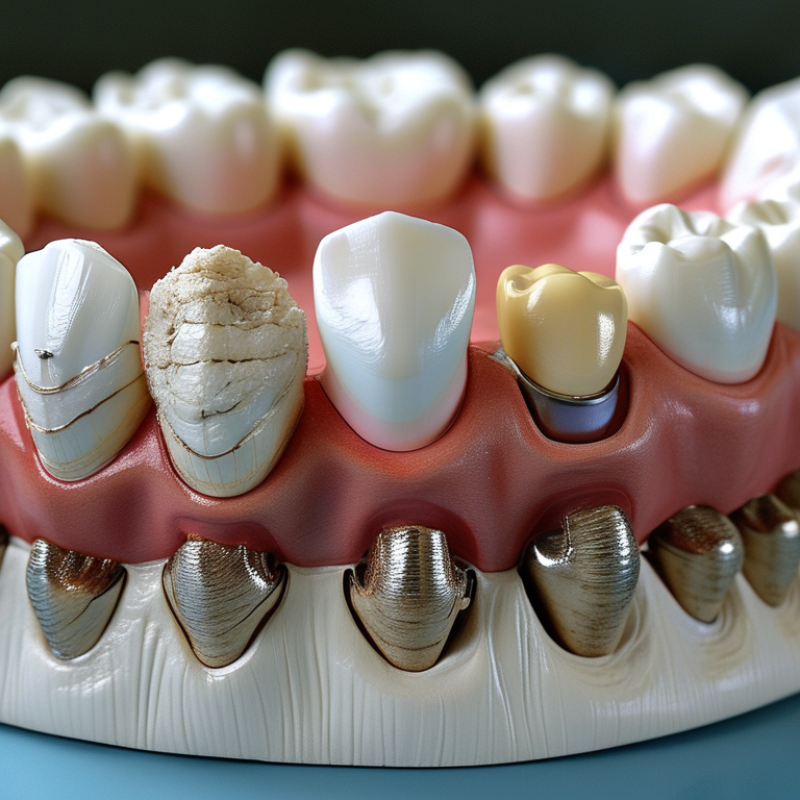
General Dentistry Defined: The Primary-Care Role in Oral Health
General Dentistry Defined: The Primary-Care Role in Oral Health
A general dentist is often the first professional people visit for oral health concerns. This role resembles primary care in medicine. The dentist monitors teeth, gums, bite, and changing risks over time. A routine appointment may include a medical history review, an oral examination, cleaning, and X-rays when clinically appropriate. These steps can reveal cavities, gum inflammation, worn fillings, cracked teeth, or early signs of other problems. Small details matter, such as bleeding around one molar or sensitivity after a cold drink.
General dentists also provide fillings, preventive sealants, fluoride treatments, treatment for gum disease, and guidance after dental injuries. They may manage tooth pain or replace damaged restorations. When a case requires advanced surgery, complex orthodontics, or specialized care, they can coordinate a referral. That continuity is valuable. Still, no examination catches everything. Symptoms can change between visits, and patients sometimes describe pain imperfectly. Honest communication improves clinical decisions.
Tips: Brush twice daily with fluoride toothpaste, and clean between teeth every day. Do not ignore bleeding gums, swelling, or persistent sensitivity. Write down when discomfort begins and what triggers it. Bring an updated medication list to appointments. A regular schedule helps, but visit sooner when something feels different.
What Is a General Dentist and What Services Do They Provide? — General Dentistry Defined: The Primary-Care Role in Oral Health
| Service or Responsibility | Primary Category | What It Involves | Typical Purpose | Common Timing or Frequency |
|---|---|---|---|---|
| Comprehensive Oral Examination | Assessment | Evaluation of the teeth, gums, bite, jaw, oral tissues, and signs of conditions such as tooth decay or gum disease. | Establishes a baseline for oral health and identifies problems that may require treatment. | At an initial visit and periodically afterward, based on individual risk. |
| Professional Dental Cleaning | Prevention | Removal of plaque, tartar, and surface stains from areas that are difficult to clean with routine brushing and flossing. | Helps reduce the risk of cavities, gingivitis, and periodontal disease. | Often every six months, although some patients need more frequent care. |
| Digital Dental X-Rays | Diagnosis | Images that can reveal hidden decay, bone changes, impacted teeth, infections, and other structures beneath the visible surfaces. | Supports diagnosis and treatment planning when an examination alone is insufficient. | Based on age, symptoms, medical history, and risk of dental disease. |
| Fluoride Treatments | Prevention | Application of concentrated fluoride to strengthen tooth enamel and support the natural repair of early mineral loss. | Helps prevent cavities, particularly for people with elevated tooth-decay risk. | May be recommended during routine visits or more often when clinically appropriate. |
| Dental Sealants | Prevention | A thin protective coating placed in the grooves of back teeth where food particles and plaque can collect. | Reduces the likelihood of decay on susceptible chewing surfaces. | Commonly considered for children and teenagers, and for adults with deep grooves or increased risk. |
| Tooth-Colored Fillings | Restorative Care | Removal of decayed tooth structure followed by restoration with a filling material, often a tooth-colored composite. | Stops the progression of a cavity and restores tooth shape and function. | Provided when tooth decay or a small defect is diagnosed. |
| Crowns and Onlays | Restorative Care | Custom restorations that cover or replace a substantial portion of a damaged or weakened tooth. | Protects compromised teeth and helps restore chewing function and appearance. | Recommended when a filling is not sufficient to restore structural strength. |
| Bridges and Partial Dentures | Tooth Replacement | Removable or fixed appliances used to replace one or more missing teeth. | Improves chewing, speech, tooth alignment, and overall oral function. | Considered after tooth loss when an appropriate replacement option is needed. |
| Simple Tooth Extractions | Surgical Care | Removal of a tooth that cannot be predictably restored or is causing significant problems. | May address severe decay, infection, trauma, or overcrowding when preservation is not feasible. | Performed when clinical evaluation confirms that extraction is appropriate. |
| Gum Disease Screening and Early Care | Periodontal Health | Assessment of gum inflammation, bleeding, pocket depth, recession, and supporting bone conditions. | Detects and manages early gum disease before it becomes more advanced. | Checked during routine examinations; treatment frequency depends on disease severity. |
| Oral Cancer Screening | Screening | Visual and physical examination of the lips, cheeks, tongue, gums, throat, and other oral tissues for unusual changes. | Identifies suspicious sores, lumps, color changes, or tissue abnormalities that may need further evaluation. | Typically included in periodic comprehensive examinations. |
| Personalized Home-Care Guidance | Education | Advice on brushing, flossing, interdental cleaning, diet, tobacco avoidance, and managing sensitivity or dry mouth. | Helps patients maintain daily oral hygiene and reduce preventable dental problems. | Reviewed during examinations and updated as needs change. |
| Referral to a Dental Specialist | Care Coordination | Recommendation for specialized evaluation or treatment when a condition falls outside the general dentist’s scope or complexity. | Provides access to advanced care such as root canal therapy, complex surgery, orthodontics, or advanced gum treatment. | Made when examination findings indicate that specialized expertise is beneficial. |
Related Posts
-
How to Choose the Right Ultrasonic Scaler for Your Dental Practice
-
Top 5 Essential Dental Equipment Every Dentist Should Invest In
-
Choosing the Right Dental Guard: A Data-Driven Comparison of Efficacy and Comfort
-
7 Essential Tips for Sourcing the Best Dental Products Globally
-

Mastering Intraoral Scanners with Digital Insights for Better Practice Efficiency
-

The Future of Oral Care: Innovations Shaping Dental Health in the Next Decade