How to Choose the Best Antibacterial Mouthwash

Choosing the Best Antibacterial Mouthwash begins with understanding what your mouth actually needs. A sharp mint flavor may feel refreshing, but freshness does not prove effective plaque control. Look for the active ingredient, intended purpose, safety directions, and professional evidence behind the product. Chlorhexidine, cetylpyridinium chloride, and essential oils can serve different roles. Their benefits and limitations deserve careful attention.

Dr. Edmond Hewlett, a professor of restorative dentistry at UCLA, has emphasized, “Mouthwash is not a substitute for brushing and flossing.” That reminder should guide every purchase. Antibacterial Mouthwash may help reduce certain bacteria, plaque buildup, or temporary bad breath. However, it cannot repair cavities or replace professional dental care. Some formulas may also cause dryness, staining, or irritation. Read the label closely.

Your daily routine matters more than an impressive bottle. Consider whether you have sensitive gums, dry mouth, braces, or a history of cavities. Alcohol-free options may feel gentler, although comfort does not automatically mean superior protection. I have noticed that people often choose the strongest taste available, then stop using it after several days. That is a practical failure, not a minor detail. A milder product used correctly may be more useful.

This guide examines ingredients, clinical purpose, safety, and everyday usability. It also questions common marketing claims. No single Antibacterial Mouthwash suits everyone. A dentist or dental hygienist can help match the formula to your needs, especially when gum bleeding persists or symptoms worsen. The best choice is evidence-informed, comfortable, and realistic enough to use consistently.
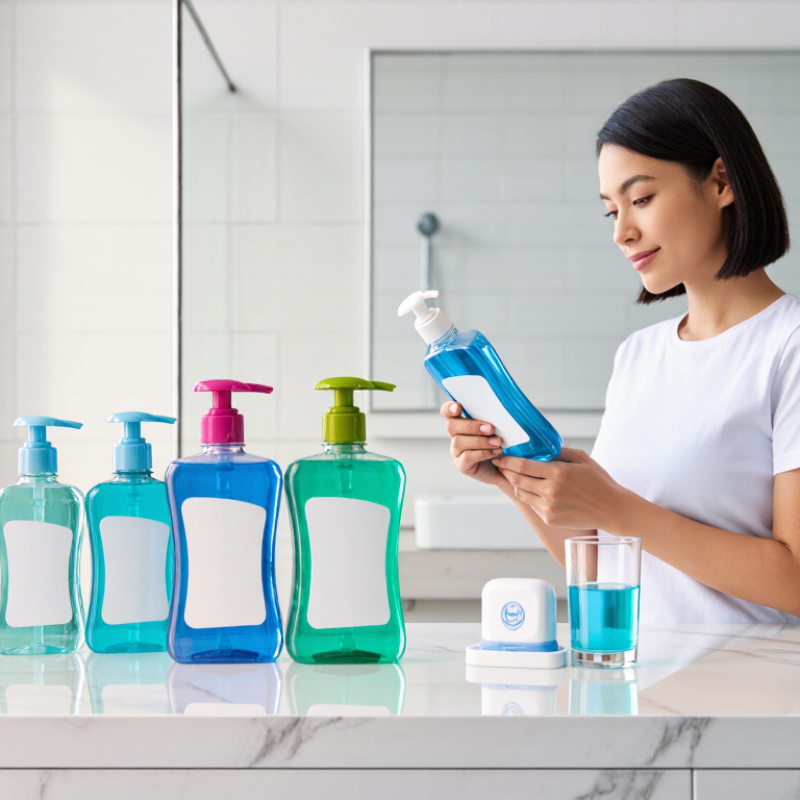
How to Choose the Best Antibacterial Mouthwash

Define the Need: Plaque, Gingivitis, or Caries Prevention

How to Choose the Best Antibacterial Mouthwash

Define the Need: Plaque, Gingivitis, or Caries Prevention

The right mouthwash depends on the problem you are trying to manage. Plaque often appears as a sticky film along the gumline. An antibacterial rinse may reduce some bacteria, but brushing and interdental cleaning remain essential. Mouthwash is an addition, not a replacement.

Bleeding gums, swelling, or persistent bad breath can suggest gingivitis. Look for evidence-based antibacterial ingredients, and follow the label carefully. Stronger antiseptic rinses may be suitable for short-term use under dental supervision. They can sometimes stain teeth, alter taste, or irritate oral tissues. I once assumed a stronger rinse meant better protection. That was too simple.

Caries prevention requires a different focus. A fluoride mouthwash may help strengthen enamel and support people at higher risk of decay. This matters after frequent snacking, dry mouth, orthodontic treatment, or previous cavities. Do not swallow it. Children need age-appropriate guidance from a dental professional.

Alcohol-free formulas may feel gentler, especially with dry or sensitive mouths, but “natural” does not automatically mean effective.

Check the active ingredients, usage directions, and independent dental guidance.

If gum bleeding continues for more than two weeks, arrange an examination rather than changing rinses repeatedly.

Compare Actives: 0.05% CPC, 0.12% CHX, and Essential Oils

Choosing antibacterial mouthwash starts with the active ingredient, not the flavor or packaging. I compare three common options: 0.05% cetylpyridinium chloride, 0.12% chlorhexidine, and essential oils. Each works differently, and none replaces brushing or interdental cleaning.

A 0.05% CPC rinse may suit daily plaque control and fresher breath. It is generally convenient for home use, but results depend on consistent brushing and correct rinsing. Do not swallow it.

Chlorhexidine at 0.12% is stronger and often recommended for short-term use after dental procedures or during specific gum problems. It can cause surface staining, altered taste, or increased tartar in some people. I would not choose it for routine, indefinite use without dental guidance. That distinction matters.

Essential-oil rinses may reduce certain oral bacteria and support breath freshness. Their effects vary by formula, concentration, and personal tolerance. Some users notice burning or dryness, especially with alcohol-containing products. An alcohol-free version may feel gentler, but gentler does not automatically mean more effective. Read the active ingredients carefully. Check the directions.

In practice, I would match the rinse to the goal: daily plaque support, short-term clinical care, or breath management. A dentist can assess bleeding gums, restorations, medication use, and allergy history before recommending one. My own judgment would remain cautious; mouthwash can help, but it cannot repair neglected brushing habits.

Check Fluoride: Consider 0.05% Sodium Fluoride for Daily Use

How to Choose the Best Antibacterial Mouthwash

Fluoride deserves careful attention when choosing a daily mouthwash. A 0.05% sodium fluoride solution provides about 225 ppm fluoride ions. This concentration is commonly used for daily rinsing. It supports enamel remineralization and helps reduce acid damage between brushing sessions. It is not a complete antibacterial treatment. That distinction matters.

The World Health Organization’s Global Oral Health Status Report (2022) estimates that 2.5 billion people have untreated caries in permanent teeth. The scale is difficult to ignore. A Cochrane review of fluoride mouthrinses reported an average 23% reduction in caries increments among children and adolescents. These findings support fluoride as a preventive tool, not a replacement for brushing or dental care.

Check the label carefully. Choose 0.05% sodium fluoride for routine use, then follow the stated volume and rinsing time. Do not swallow it. Avoid eating or drinking immediately afterward if the instructions advise waiting. People with dry mouth, braces, frequent decay, or swallowing concerns should ask a dental professional first. Alcohol-free formulas may feel gentler, but comfort does not prove better protection. I would also question strong “antibacterial” language. A pleasant taste can hide weak evidence. The practical choice is the one with a clear fluoride concentration, transparent directions, and a role that fits your daily routine.

Verify Evidence: Require ADA Acceptance and 6-Month Clinical Data

Choosing an antibacterial mouthwash should begin with evidence, not a dramatic label. Look for ADA Acceptance, which signals that independent experts reviewed the product’s safety and effectiveness. It does not mean every mouthwash suits every person. Still, read the conditions.

Give special weight to six-month clinical data. A short laboratory test may show that bacteria decline in a glass tube. Real mouths are more complicated. A strong clinical study should measure plaque, gingivitis, staining, taste changes, and mouth irritation over at least six months. It should also explain the number of participants, comparison group, and dropout rate. Missing details weaken confidence.

I once considered a powerful “kills germs” claim convincing. That was too simplistic. Daily comfort matters, because an unpleasant rinse often stays unused in a bathroom cabinet. Follow the directions, and notice dryness, burning, altered taste, or visible staining. These details are easy to dismiss, yet they affect consistent use. Ask a dental professional to interpret the results, especially with braces, dry mouth, gum bleeding, or medication use. Evidence should guide the choice, but real-world experience can expose gaps that advertisements never mention.

How to Choose the Best Antibacterial Mouthwash - Verify Evidence: Require ADA Acceptance and 6-Month Clinical Data

Evaluation Dimension Evidence to Verify Preferred Standard Why It Matters
ADA acceptance Confirm that the exact product formulation carries a current ADA Seal of Acceptance for its stated oral-health claim. Pass: Current acceptance is documented for the specific product and claim. Independent review can indicate that labeling, safety information, and supporting evidence meet established requirements.
Six-month clinical data Look for a peer-reviewed randomized or well-controlled clinical trial lasting approximately six months. Pass: Clinical outcomes are reported at six months or longer, with participant numbers and statistical results. Longer follow-up helps show whether benefits are sustained beyond short-term laboratory or four-week findings.
Active antibacterial ingredient Check the standardized ingredient name and concentration on the official product label. The ingredient should have a plausible mechanism and human clinical evidence for the claimed outcome. Antibacterial activity in a laboratory does not automatically prove improved oral health in daily use.
Plaque reduction Review plaque-index methods, examiner training, baseline measurements, and between-group results. Prefer a statistically significant and clinically meaningful reduction compared with a suitable control. Plaque control is a measurable outcome linked to daily oral-hygiene effectiveness.
Gingivitis improvement Check whether bleeding and gingival-inflammation scores were measured at baseline and follow-up. Prefer six-month evidence showing improvement in both plaque and gingival-health measures. Reduced plaque alone may not demonstrate a meaningful improvement in gum health.
Study quality Assess randomization, control group, blinding, dropout rate, adherence, and whether the analysis follows the original study plan. Prefer a peer-reviewed, adequately powered, randomized controlled clinical trial. Strong design reduces the risk that results are caused by bias, chance, or differences in brushing behavior.
Comparison group Determine whether the comparison was water, placebo, routine brushing, or another active mouthwash. The control should be appropriate for the claim and used consistently by all groups. The comparator affects how confidently the mouthwash’s added benefit can be interpreted.
Daily-use instructions Check labeled dosage, rinsing time, frequency, swallowing warnings, and whether use is intended for adults or children. Instructions should be clear, age-appropriate, and consistent with the clinical study protocol. A product may not provide the studied benefit if it is used differently from the tested regimen.
Safety and tolerability Review adverse effects, oral irritation, taste changes, staining reports, allergy warnings, and contraindications. Prefer evidence showing acceptable tolerability during the full six-month observation period. A potential benefit should be balanced against adverse effects and individual health needs.
Fluoride protection If cavity prevention is important, verify whether the formulation contains an appropriate fluoride ingredient and has evidence for that claim. Do not assume antibacterial activity provides equivalent protection against dental caries. Plaque, gingivitis, and tooth-decay prevention are related but distinct outcomes.
Evidence transparency Check whether the full study citation, trial duration, sample size, outcomes, and limitations are publicly available. Pass: Claims can be traced to identifiable clinical evidence rather than testimonials or laboratory testing alone. Transparent reporting makes it easier to judge relevance, reliability, and applicability.

Decision rule: Prefer a mouthwash only when the exact formulation has current ADA acceptance for the relevant claim and credible clinical evidence lasting approximately six months or longer. Mouthwash should complement, not replace, brushing with fluoride toothpaste, interdental cleaning, and professional dental care.

Assess Safety: Choose Alcohol-Free Formulas and Short-Term CHX Use

How to Choose the Best Antibacterial Mouthwash

Safety should guide your choice before flavor or whitening claims. Alcohol-free formulas may feel gentler, especially if your mouth feels dry, sore, or irritated after rinsing. They can still contain active ingredients, so read the label carefully.

“Alcohol-free” does not automatically mean risk-free. Some formulas may irritate sensitive tissues or interact with existing treatment. Avoid swallowing mouthwash, and follow the stated amount and rinsing time.

Chlorhexidine and Specific Gum Problems

Chlorhexidine, often called CHX, can be useful for specific gum problems. Dentists may recommend it after certain procedures or during short periods of severe inflammation. It is not usually suitable for casual, long-term use.

Extended use can cause brown surface stains, altered taste, or increased deposits on teeth. These effects may appear after repeated daily rinsing. A dental professional should decide the duration and timing, especially if you take medicines or have ongoing oral symptoms.

I once assumed stronger mouthwash meant better protection. That assumption was too simple.

Make Mouthwash Part of Daily Plaque Control

Use antibacterial mouthwash only as part of daily plaque control. Brushing with fluoride toothpaste and cleaning between teeth remain essential.

If your gums bleed repeatedly, your mouth stays dry, or sores last more than two weeks, arrange a dental examination. A short treatment can be sensible. More is not always safer.