What Is an Oral Irrigator and How Does It Work?
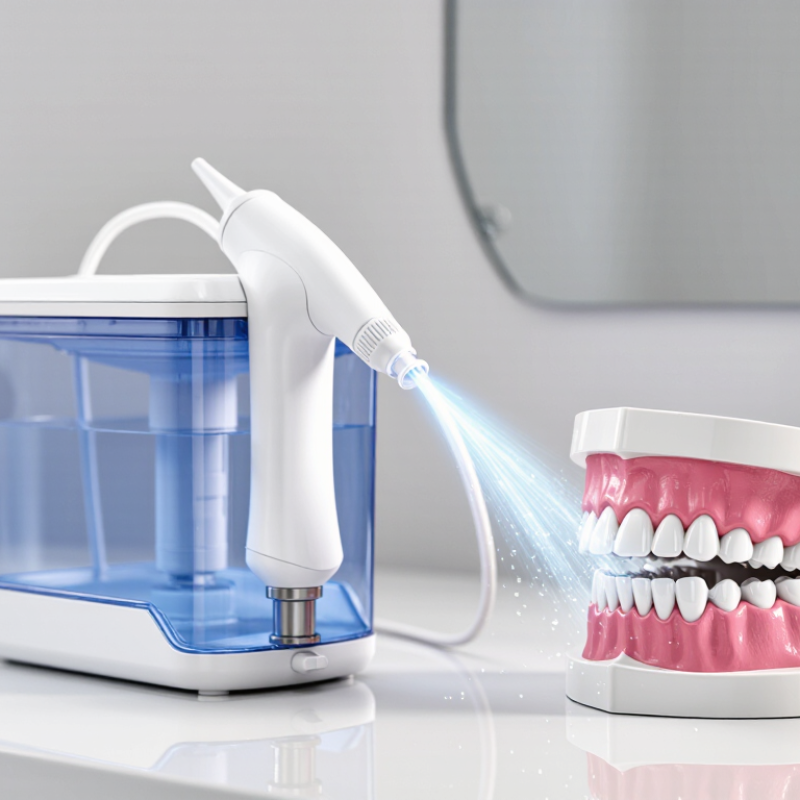
An Oral Irrigator, often called a water flosser, directs a pulsing stream of water between teeth and along the gumline. Its basic parts are simple: a reservoir, a small pump, a handle, and a tip. When switched on, the pump pushes water through the tip, creating a narrow stream that can dislodge food debris and disturb plaque in hard-to-reach spaces. Pressure and pulse patterns vary by model. Some devices sit on a counter; others are cordless and travel-sized. Not magic.
This guide explains how an irrigator works, what its settings do, and how to use it without turning the sink into a splash zone. It also considers where the device may fit into a routine, including for people with braces, bridges, or other dental work. Research suggests water flossers can help reduce gum bleeding and inflammation for some users, though results depend on technique and individual needs. They do not replace brushing, and whether they can replace other forms of interdental cleaning depends on your situation. The first use can feel awkward. That matters, because a tool left in a drawer helps no one. Start with a low setting, lean over the sink, and guide the tip slowly along the gumline. If you have recent oral surgery, persistent bleeding, or questions about dental work, ask a dentist or hygienist for tailored advice. Small details matter.
What an Oral Irrigator Is
What an Oral Irrigator Is
An oral irrigator is a handheld or countertop device that sends a narrow stream of water into the mouth. It is often called a water flosser. A small reservoir holds the water, while a motor pushes it through a tip. No bristles are involved. The stream may be continuous or pulsed, depending on the device.
People usually direct the nozzle along the gumline and between teeth. The water can help dislodge loose food and rinse areas that feel difficult to reach with a toothbrush. It may be especially practical for people with braces, bridges, or limited hand movement. However, it does not scrub tooth surfaces like brushing, and it should not automatically replace string floss. Dental needs vary.
Using one takes a little practice. Start with a low pressure setting, lean over the sink, and guide the tip slowly rather than spraying randomly. Water can splash at first; that is normal. Some users find the sensation odd, and I would not call it comfortable for everyone right away. Follow the device instructions, keep the tip clean, and ask a dental professional whether it suits your gums or existing dental work.
The Main Parts of an Oral Irrigator
The Main Parts of an Oral Irrigator
An oral irrigator sends a controlled stream of water between teeth and along the gumline. Its parts work together to store water, create pressure, and direct the flow. The design may look simple. Small details matter.
The reservoir holds water and usually lifts off for filling and cleaning. Inside the body, a small pump draws water from the reservoir and pressurizes it. The handle contains a trigger or button that starts and stops the stream. A narrow nozzle fits onto the handle, directing water toward specific areas of the mouth. Some models include several nozzle shapes, but a standard tip is enough for many users.
Controls adjust the pressure, often through a dial or buttons. Lower pressure can feel more comfortable when starting, while stronger settings may suit different preferences. The stream should feel controlled, not painful. I used to think the nozzle did all the work; the pump and pressure controls are just as important. The device can help dislodge food and rinse around the gumline, but it does not replace brushing. Emptying the reservoir after use can help prevent stale water from sitting inside. A small task, easy to forget. Cleaning instructions vary by device, so check its manual.
How Water Pressure Cleans Between Teeth and Along the Gumline
What Is an Oral Irrigator and How Does It Work?
An oral irrigator uses a pulsing stream of water to clean between teeth and along the gumline. The pressure helps loosen food and disturb soft plaque where toothbrush bristles may not reach easily. Guide the tip slowly beside each tooth, pausing briefly near the gum edge. A small sink-side routine. Start with a low setting if your gums feel tender, then adjust as comfortable. Aim the stream gently; stronger pressure is not automatically better.
Evidence suggests it can support daily interdental cleaning, though results vary by person and technique. A four-week clinical trial published in the Journal of Clinical Dentistry in 2013 reported 29% greater reduction in whole-mouth bleeding with an oral irrigator and manual brushing than with string floss and brushing. That finding is useful, not a guarantee. Water may rinse away visible debris, but clear-looking water does not prove every surface is clean. Keep brushing with fluoride toothpaste, and ask a dental professional for advice if bleeding persists or you have dental work that needs special care. The first few uses can be messy. That is normal.
How to Use an Oral Irrigator Step by Step
An oral irrigator sends a controlled stream of water between teeth and along the gumline. It can help clear loose food and clean around braces or dental work, but it does not replace brushing or professional advice. A 2019 Cochrane review examined 35 trials involving 3,929 adults across several interdental-cleaning methods. For oral irrigation, the evidence suggested possible short-term gingivitis improvement, but certainty was low and plaque reduction was unclear (Worthington et al., Cochrane Database of Systematic Reviews, 2019).
To use one, fill the reservoir with lukewarm water and attach the tip. Lean over the sink; start at the lowest pressure setting. Gentle is enough. Place the tip in your mouth before switching the unit on. Aim near the gumline, close to a right angle, and guide the stream slowly from the back teeth forward. Pause briefly between teeth, then trace the outer and inner sides of each row. Keep your lips slightly closed to limit splashing, but let water drain into the sink. Awkward at first.
If your gums feel sore, reduce pressure or stop and ask a dental professional for guidance. Don’t force the tip beneath the gums. Follow the device instructions for cleaning and replacing the tip, and empty the reservoir after use. Take your time; rushing often leaves the back teeth untouched.
Common Types of Oral Irrigators and How They Differ
An oral irrigator sends a pulsed stream of water between teeth and along the gumline. Its basic action is simple, but its design affects where and how comfortably you can use it. The CDC-supported NHANES analysis by Eke and colleagues, published in the Journal of Periodontology in 2018, estimated that 42.2% of U.S. adults aged 30 and older had periodontitis. That figure makes daily gum care relevant, though it does not prove one cleaning device suits everyone.
Countertop models usually have a larger reservoir, adjustable pressure, and a hose. They work well beside a bathroom sink, but take up space. Cordless models are easier to pack and use in small bathrooms. Their tanks are often smaller, so refilling may interrupt cleaning. Faucet-connected irrigators draw water directly from the tap and need no charging. They offer less freedom to move, and tap compatibility matters. Small details count. A narrow jet can reach around braces, while a broader tip may feel gentler on sensitive gums.
Specialized tips are designed for areas such as orthodontic wires or dental work. Still, a tip cannot replace careful technique. A Cochrane review by Worthington and colleagues, published in 2019, found low-certainty evidence that water-jet cleaners may reduce gingivitis in the short term compared with brushing alone. The evidence is not a clear ranking of every device type. I would compare grip, reservoir size, pressure control, and cleaning routine before choosing; the easiest model to use consistently may matter most.