China Top 10 Soccer Back Brace Suppliers
Choosing a reliable supplier for a Soccer Back Brace requires more than comparing prices. China has a broad manufacturing base, from small workshops to export-focused factories. This guide introduces ten suppliers that deserve closer evaluation for product quality, production experience, customization, and communication. The list is not a blind ranking. Supplier performance can change with materials, order volume, and inspection standards. That distinction matters.
A dependable brace should support movement without creating unnecessary pressure. Reviewers should examine fabric breathability, elastic recovery, stitching, closures, sizing accuracy, and skin-contact comfort. Samples can reveal details that catalogs hide, including rough seams, weak hook-and-loop panels, or uneven compression. Ask for material specifications, quality-control records, packaging details, and applicable test reports. Claims should be checked against documents, not accepted because a website looks polished. No supplier is perfect. Even experienced buyers can miss a detail.
This overview also considers OEM and private-label capability, minimum order quantities, lead times, and after-sales support. These factors influence real purchasing results, especially for distributors, sports clinics, and team-equipment brands. Product advice should remain practical and medically responsible. A back brace is not a substitute for professional diagnosis or rehabilitation guidance. Buyers should confirm intended use, fit instructions, and local compliance requirements before selling. The strongest supplier is not always the cheapest. It is the partner that communicates clearly, documents its process, and improves when problems appear.
What Soccer Back Braces Are and Why Players Use Them
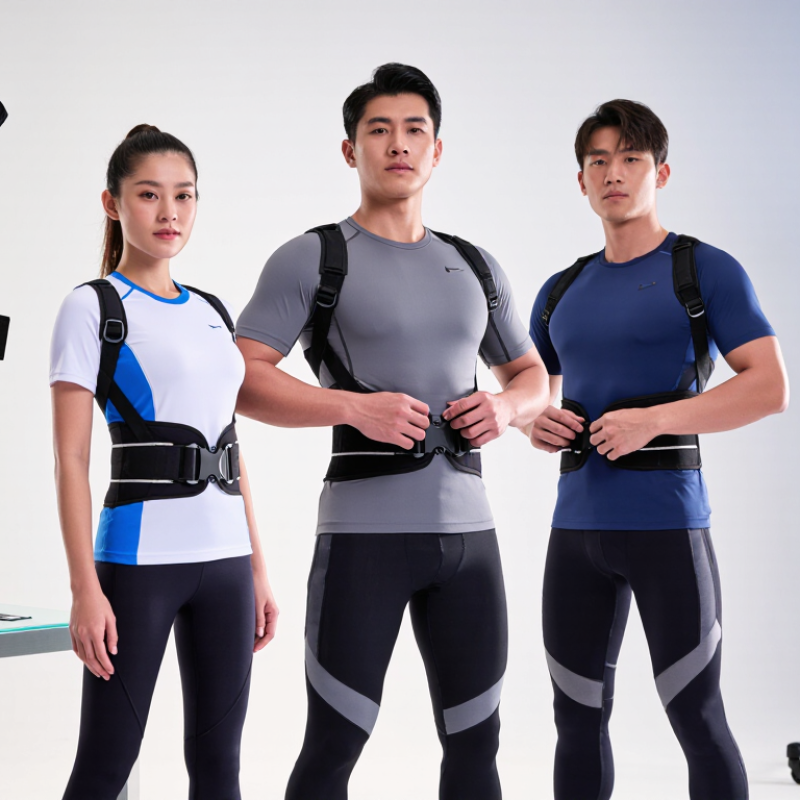
A soccer back brace is a wearable support that wraps around the lower back and waist. It usually combines elastic fabric, adjustable straps, and firm panels. These parts create gentle compression without fully restricting movement. Some designs also provide warmth during training or recovery.
Players may use a brace when mild lower-back discomfort affects bending, turning, or kicking. The support can remind athletes to control their posture during drills. It may also reduce unwanted movement while the player rebuilds confidence after a strain. However, a brace does not repair injured tissue or replace proper rehabilitation. It should feel supportive, not painfully tight.
Fit matters greatly. A poorly fitted brace can rub the skin, limit breathing, or encourage awkward movement. Players should check its position before sprinting, sliding, and striking the ball. I have noticed that some athletes expect instant comfort, but the result can be disappointing. That expectation needs rethinking. A sports physician or physiotherapist should assess persistent pain, numbness, weakness, or pain spreading into the leg. Young players especially need professional guidance before regular use. A reliable supplier should provide clear sizing information, material details, washing instructions, and realistic performance claims.
How China’s Top Soccer Back Brace Suppliers Are Evaluated
China Top 10 Soccer Back Brace Suppliers
Evaluating China’s top soccer back brace suppliers requires more than comparing prices. Product evidence matters. The UEFA Elite Club Injury Study has reported roughly eight injuries per 1,000 hours of football activity. This figure reinforces the need for stable, comfortable support during repeated training and matches. Suppliers should explain how their braces manage movement, sweat, pressure, and lower-back fatigue.
Reliable evaluation starts with factory controls. ISO 13485 certification can indicate a documented medical-device quality system, although certification alone proves little about product performance. Auditors should review material certificates, stitching records, batch numbers, and complaint procedures. Testing should cover tensile strength, seam durability, skin-contact safety, and repeated washing. Independent laboratory reports are more convincing than internal photographs.
Fit is equally important. A brace should stay flat beneath a jersey, avoid sharp edges, and allow sprinting, twisting, and sliding. Sample testing on different body shapes reveals problems that catalogs hide. Try it during a ninety-minute session. A supplier may pass inspection and still create uncomfortable heat around the waist. That is an easy mistake to miss. Buyers should also verify production capacity, inspection frequency, packaging accuracy, and corrective-action records. The WHO Global Status Report on Physical Activity 2022 highlights the importance of safe, sustainable participation, yet supplier assessments often overlook long-term comfort. That gap deserves more attention.
Profiles of the Top 10 Chinese Soccer Back Brace Suppliers
China’s top ten soccer back brace suppliers represent different manufacturing strengths. Some focus on lightweight lumbar support for training sessions. Others produce rigid braces for athletes recovering from strain. Their profiles differ in fabric selection, stitching quality, mold design, and order flexibility.
One supplier specializes in breathable mesh and wide elastic panels. Another offers adjustable compression with removable support stays. A third serves youth teams with smaller sizing. Two suppliers mainly handle custom colors and printed packaging. Others emphasize neoprene-free materials, private-label production, or fast sampling. The strongest factories usually provide material test reports, size charts, inspection records, and clear production schedules. These details make supplier evaluation more practical.
Factory experience matters during fitting. A brace may look strong but restrict hip movement during a sudden turn. Samples should be tested through sprinting, sliding, bending, and repeated washing. Inspectors should check seam strength, edge comfort, buckle security, and odor after packaging. Some suppliers use ISO-based quality systems, yet certification alone proves little. Ask for recent audit evidence. Ask again.
Pricing also needs careful review. Low quotations may exclude molds, packaging, testing, or replacement units. Communication quality is another useful signal. Reliable suppliers answer technical questions directly and report delays early. Still, no profile is flawless. Sampling can reveal uneven stitching, stiff panels, or inaccurate measurements. Buyers should record these weaknesses and request corrections before larger orders.