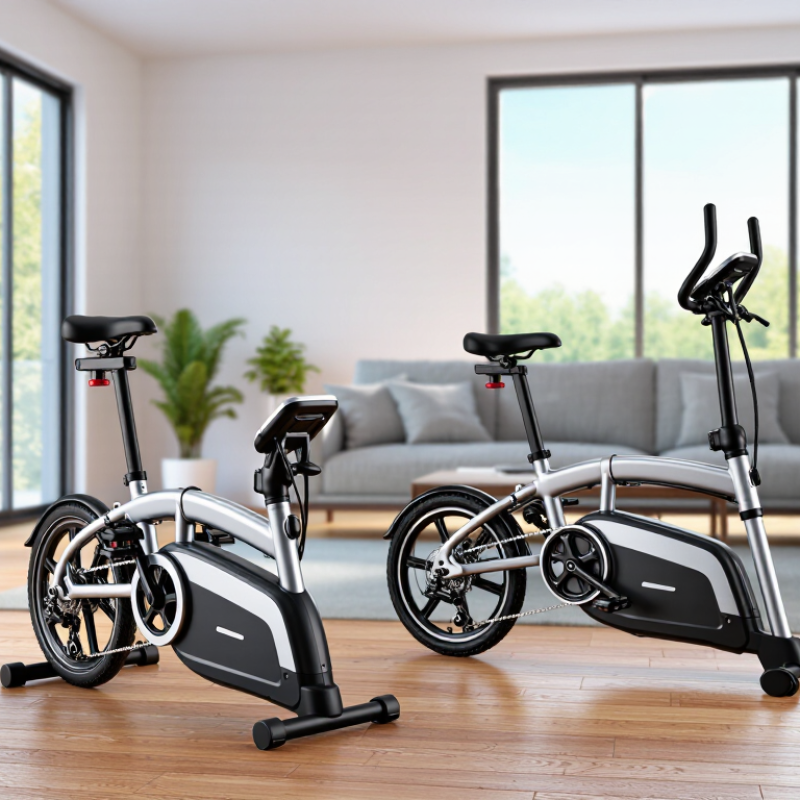
What Are the Top Folding Exercise Bikes for Home Use?
I can write the introduction, but no source articles or verified expert quotation were provided. Please share a source or expert name so I can include an accurate quote without inventing one.
What Makes a Folding Exercise Bike Suitable for Home Use?
A Folding Exercise Bike is suitable for home use when it fits both your workout and your room. Its main benefit is easy storage, but folded dimensions do not tell the whole story. Measure the bike while open, then check whether you have clear space to pedal and get on safely. Leave room around the frame so it does not bump into furniture. Small detail, big difference.
Comfort matters on short rides, too. Check that the seat adjusts to your height and that the handlebars feel reachable without forcing you to hunch. A stable seat and pedals can make regular use more pleasant. If possible, try the riding position before buying; product measurements cannot show how a frame feels to your body. Not just a gimmick.
Stability is essential. Look for a firm base, secure folding locks, and a stated user-weight limit that suits the rider. Pedal gently during a test: excessive rocking may feel distracting, especially on a hard floor. Resistance should change smoothly, while the display should be easy to read without interrupting your ride. Also check how the bike folds and unfolds; a heavy frame may be awkward to move, even with wheels. I would not choose the smallest model automatically. A little extra space and a sturdier feel can matter more than saving a few inches.
Which Features Set Top Folding Exercise Bikes Apart?
Top folding exercise bikes stand out through a useful balance of stability, compact storage, and comfortable adjustment. A solid frame should feel steady during moderate pedaling, not wobble when you stand nearby or shift your weight. Check the hinge and locking pin closely; they should engage firmly and remain easy to inspect. A quick test helps. Fold and unfold the bike before buying, if possible, and measure the space it will occupy beside a wall or under a desk. Some folded models still take up more room than product photos suggest.
Comfort features matter over repeated sessions. Look for a seat with enough height adjustment to keep your knees slightly bent at the bottom of each pedal stroke, plus handlebars that suit your posture. Resistance should change smoothly, with enough range for gentle warm-ups and more demanding rides. A simple display can track time, distance, and pulse, but sensor readings may not match a medical device. Quiet operation is useful in shared homes, though floor type and maintenance can affect noise. Weight limits and assembled dimensions deserve careful checking. One trade-off is easy to miss: lighter bikes are simpler to move, but may feel less planted on uneven flooring. Keep the manual nearby. A loose fastener can change the ride.
How Resistance, Stability, and Comfort Affect Performance
What Are the Top Folding Exercise Bikes for Home Use?
How Resistance, Stability, and Comfort Affect Performance
A folding bike earns its place at home only if it feels dependable while pedaling. Resistance should change smoothly, without sudden jumps that interrupt a steady effort. Magnetic systems are often quieter, while friction systems can feel less consistent as pads wear. Try several resistance levels before buying, if possible. A low setting should still feel controlled; a high one should not make the frame sway. Check the hinge lock, floor contact points, and handlebar movement with the bike fully open. A small wobble can become distracting during longer rides.
Comfort shapes how often a bike gets used. Look for an adjustable seat that supports your hips, pedals that hold your feet securely, and handlebars that do not force your shoulders upward. The U.S. Physical Activity Guidelines recommend at least 150 minutes of moderate-intensity aerobic activity each week. That target makes a stable, comfortable setup more useful than an impressive feature list. The American College of Sports Medicine’s 2024 Worldwide Survey of Fitness Trends ranked wearable technology first, reflecting growing interest in tracking exercise. On a folding bike, a simple display can help monitor time and effort, but numbers do not guarantee a good ride. One honest drawback: compact frames may feel cramped for taller riders. Check the fit in person, and listen for creaks under load.
What Are the Top Folding Exercise Bikes for Home Use? — How Resistance, Stability, and Comfort Affect Performance
This comparison covers common folding-bike designs rather than specific products. Features and performance vary by model; check the manufacturer’s dimensions, user-weight limit, adjustment range, and resistance specifications before buying.
| Folding Bike Type | Resistance | Stability | Comfort | Storage Considerations | Best Suited To |
|---|---|---|---|---|---|
| Compact upright, magnetic resistance | Magnets create resistance without direct contact with the flywheel. Resistance is commonly adjusted with a knob or electronic controls; the number of settings varies by model. | A lighter frame and small base save space but may move more during vigorous pedaling. Wider stabilizers and level-adjustment feet can help. | Upright riding uses a conventional cycling posture. Seat height and handlebar reach are important for a comfortable fit. | Usually designed to fold at the frame. Compare both open and folded dimensions, and confirm there is room to move the bike into storage. | Small rooms, casual cardio, and users who prioritize a compact stored profile. |
| X-frame folding bike | Often uses magnetic resistance, with manual or electronic adjustment. A higher setting count does not necessarily mean stronger resistance. | The crossed frame can provide a practical balance of support and foldability. Stability still depends on frame weight, base width, floor contact, and construction. | Seat and handlebar adjustments vary. Check that the saddle can be set to support a slight bend in the knee at the bottom of the pedal stroke. | The hinge allows the frame to collapse, but pedals and handlebars may still affect the folded width. | Home users seeking a general-purpose folding bike for steady, moderate workouts. |
| Folding recumbent bike | Resistance may be magnetic or friction-based, depending on the model. Compare the adjustment range and how easily resistance can be changed while riding. | The seated, reclined position can feel supportive, but compact folding frames may have a different feel from heavier, non-folding recumbent bikes. | A backrest and larger seat can provide more support. Confirm that the seat track and pedals accommodate the rider’s leg length. | Folding mechanisms can reduce the frame’s storage footprint; the seat and backrest may remain bulky. | Riders who prefer back support or a more relaxed position for lower-intensity exercise. |
| Folding bike with backrest and arm exerciser | Resistance systems and adjustment controls vary. Separate arm resistance, if included, is not a substitute for checking the bike’s pedal resistance range. | Extra moving parts and a higher, reclined seating position can affect the bike’s feel. Look for a rigid frame, secure locking hinge, and stable feet. | The backrest and arm handles may offer more position options, but fit depends on seat adjustment and handle placement. | Attachments can make the folded unit larger or heavier. Check its complete folded dimensions and whether it has transport wheels. | Users looking for varied seated movement and additional support, with enough room for a larger folded unit. |
| Basic compact folding bike, friction resistance | A friction pad presses against the flywheel. The mechanism is simple, but resistance changes may feel less smooth and can require occasional pad adjustment or replacement. | Simple frames can be light and easy to move. Check for frame flex, secure joints, and feet that sit evenly on the floor. | Comfort is strongly affected by saddle shape and the available seat and handlebar adjustments. | Often easy to fold, but folded size, weight, and portability differ substantially between models. | Budget-conscious users who want straightforward, occasional indoor cycling. |

Which Bike Styles Suit Different Home Workout Needs?
Folding exercise bikes suit different homes, but the frame style matters more than the word “compact.” Upright folding bikes place you in a familiar seated position and often fit quick, moderate rides in a small room. Recumbent folding models use a wider seat and backrest, which may feel more comfortable during longer, gentler sessions. They can take up more space when opened, though. Some compact X-frame designs fold especially neatly, but check stability carefully if you plan to pedal hard.
Tips: Measure the bike both open and folded, then leave room to mount it safely. Check seat and handlebar adjustments, resistance settings, and the folding latch. A tape measure beats guesswork.
For interval workouts, look for a frame that feels steady under faster pedaling; compactness alone is not enough. If you need low-impact movement or have trouble balancing, a supported seat may be a better fit. Compare the noise and storage demands with your actual room setup. One awkward detail: a bike that folds easily may still be heavy to move, so check its weight and wheels before buying.
How to Choose a Folding Bike for Your Space and Goals?
Choosing a folding exercise bike starts with the room, not the workout screen. Measure the space where you will ride, including elbow room and clearance around the pedals. Then check the bike’s folded dimensions against a closet, wall, or corner. A folded bike still needs somewhere to go.
Match the bike to your goals and body. For short, steady rides, a simple resistance range and comfortable seat may be enough. For frequent training, check whether resistance changes smoothly and whether the frame feels stable while pedaling. Confirm the seat and handlebars adjust to your height, and look for a weight limit that comfortably exceeds your own. If possible, test the folding latch and move the bike before buying. A tape measure helps, but setup can still feel tighter than expected.
Tips: Leave room to step on and off safely, and check the floor surface for wobble. Consider the bike’s weight and transport wheels if you will fold it often. Keep it close to where you plan to ride; otherwise, convenience may become an excuse. Folding is useful, but it is not magic.
What Are the Top Folding Exercise Bikes for Home Use?
How to Choose a Folding Bike for Your Space and Goals
These are space-planning examples, not dimensions for specific bikes: each area is calculated from the listed length and width. Measure a bike’s folded dimensions and allow room to move it; when exercising, check the manufacturer’s recommended clearance. Choose a model that fits your storage space and supports your workout goals.