Why Are Nutraceutical Ingredients in High Demand?
A scoop of protein powder, a vitamin capsule, or a fortified drink can turn nutrition into an easy daily habit. That convenience helps explain why Nutraceutical Ingredients attract attention from consumers and product developers. People are looking for practical ways to support wellbeing, while brands explore ingredients for supplements, functional foods, and beverages. Demand also reflects wider interest in healthy aging, targeted nutrition, and products with recognizable sources.
The term has a long history. Stephen L. DeFelice, MD, founder of the Foundation for Innovation in Medicine, described a nutraceutical as “a food, or parts of a food, that provide medical or health benefits, including the prevention and treatment of disease.” The definition is broad. It does not mean every ingredient has strong evidence for every claim. That distinction matters.
In practice, buyers may ask about source, purity, consistency, and how an ingredient fits into a finished product. A botanical extract, for example, needs clear identification and reliable quality controls. Research matters, too, but findings can depend on the ingredient form, dose, and population studied. There is no shortcut here. High demand creates opportunity, yet it also calls for careful evaluation. The market’s next phase may depend less on bold promises and more on transparent sourcing, sound evidence, and products people can use consistently.
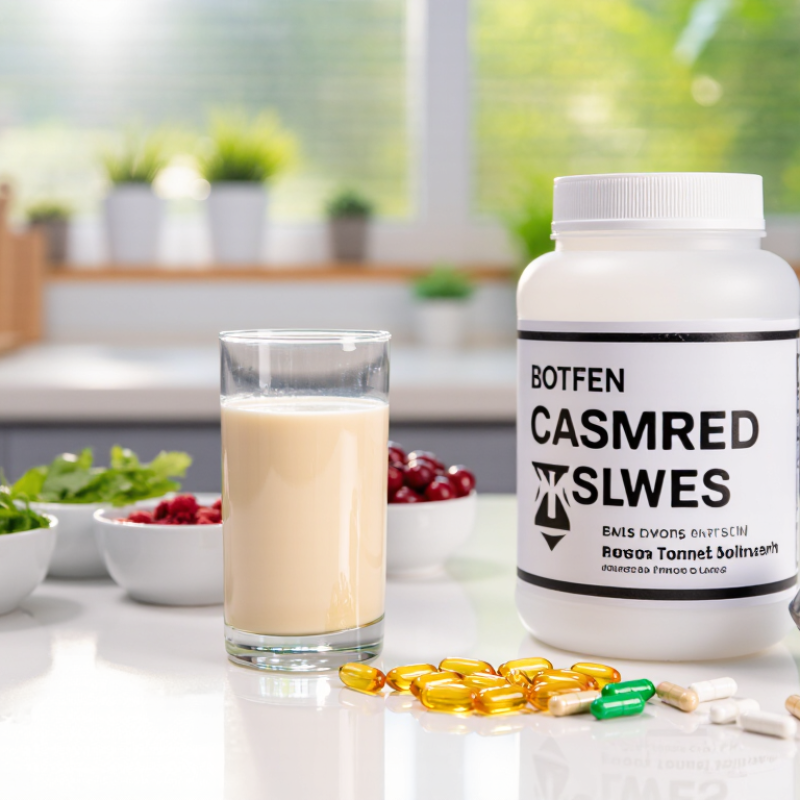
What Nutraceutical Ingredients Are and How They Are Used
Why Are Nutraceutical Ingredients in High Demand?
What Nutraceutical Ingredients Are and How They Are Used
Nutraceutical ingredients are nutrients or food-derived compounds added to supplements and selected foods. The term covers a broad range. Examples include dietary fiber, omega-3 fatty acids, probiotics, plant polyphenols, vitamins, and minerals. Some provide nutrients; others are chosen for specific physiological roles. Their purpose depends on the ingredient, amount, and product. A probiotic powder, for instance, may be mixed into a sachet, while fiber can be added to a drink mix. The label “nutraceutical” alone does not prove a benefit. Evidence and product quality matter.
Tips: Read the full ingredient list, not just the front label. Check serving sizes and storage directions. If you take medication or have a health condition, ask a qualified health professional before using a new supplement.
Manufacturers use these ingredients in capsules, tablets, powders, bars, and fortified beverages. Each format brings practical trade-offs. Minerals can affect taste; oils may need protection from air and light; live cultures can be sensitive to heat and moisture. Formulators must consider stability, solubility, serving size, and how ingredients interact. Even a useful ingredient may be a poor fit if it clumps or tastes unpleasant. Claims should match credible evidence, and supplements should not replace prescribed care or a varied diet. Details matter. A little skepticism is healthy.
Why Are Nutraceutical Ingredients in High Demand?
U.S. adults who used dietary supplements in the past 30 days, by age group (2017–2018)
Dietary supplements contain nutraceutical ingredients such as vitamins, minerals, and botanical products. Their widespread use helps explain consumer interest in these ingredients; these figures measure overall supplement use, not demand for individual ingredients.
Source: CDC National Center for Health Statistics, Dietary Supplement Use Among Adults: United States, 2017–2018.
Perceived Benefits and the Role of Scientific Evidence
Perceived benefits drive interest in nutraceutical ingredients, but expectations vary. In its 2023 Consumer Survey, the Council for Responsible Nutrition reported that 74% of U.S. adults used dietary supplements, while 55% used them regularly. These figures show broad adoption, not proof that a particular ingredient works. That distinction matters. A person may seek better sleep or digestive comfort, yet a survey cannot tell whether an ingredient caused the change.
Scientific evidence helps separate plausible benefits from persuasive claims. Researchers look for well-designed human trials, suitable comparison groups, and outcomes that matter in daily life. Dose matters, too: results from one tested amount may not apply to a smaller serving or a different formulation. The NIH Office of Dietary Supplements’ fact sheets also explain that evidence can differ by ingredient and intended use. A polished label is not a clinical result. Even promising studies may be small, short, or funded by interested parties, so readers should examine methods and limitations. Evidence is rarely a neat yes or no. It can be uneven, and that is worth saying plainly.
Market Forces Expanding the Nutraceutical Industry
Demand for nutraceutical ingredients reflects a shift toward everyday wellness, not just interest in pills. The Council for Responsible Nutrition’s 2023 Consumer Survey found that 74% of U.S. adults use dietary supplements, with 55% reporting regular use. That broad consumer base encourages manufacturers to source vitamins, minerals, botanicals, and functional food ingredients for more formats. Some shifts begin at the kitchen counter: powders stirred into smoothies, or fortified drinks kept in the refrigerator.
The market outlook reinforces that momentum. Grand View Research’s Nutraceuticals Market Size, Share & Trends Analysis Report estimated the global market at USD 454.55 billion in 2021 and projected a 9.0% compound annual growth rate from 2022 to 2030. That estimate covers a broad category, rather than ingredient sales alone. Still, it signals why suppliers are investing in formulation, taste, stability, and convenient delivery. Consumers may want a short ingredient list and easy use, but those demands can be difficult to balance.
There is a caveat. Market growth does not prove that every ingredient works, or that a popular format delivers meaningful benefits. Evidence quality varies, and sourcing details matter. Clear composition data and reliable testing help buyers compare ingredients; they also give product developers fewer surprises when ingredients meet heat, light, or moisture during processing.
Quality, Safety, and Regulatory Challenges
Nutraceutical ingredients are in high demand as consumers look for convenient ways to support everyday nutrition. But popularity can outpace careful quality control. A powder may look uniform in a jar while its active compounds vary between batches. Appearance alone tells little. Reliable sourcing begins with documented identity, origin, and processing conditions.
Safety checks should match the ingredient and its intended use. Testing may cover microbial limits, heavy metals, pesticide residues, and potency, using suitable methods and representative samples. A certificate of analysis is useful, but it does not replace independent verification. It is tempting to treat a supplier document as proof; teams can trust it too quickly. Storage matters as well: heat, moisture, and light can reduce stability before an ingredient reaches a finished product. Small details count.
Regulatory requirements can differ across markets, product categories, and intended claims. Companies need to review current local guidance with qualified regulatory specialists, while keeping clear records of specifications, test results, and supplier changes. Even experienced teams may overlook a process gap when a familiar ingredient is involved. That deserves a second look.