
Why Is Whitening Mouthwash in High Demand?
Whitening Mouthwash has become popular because it fits easily into a familiar routine. A capful beside the sink, a brief rinse, and no extra appointment can feel like a manageable step toward a brighter smile. For people with coffee or tea stains, that convenience matters. So does the promise of gradual results rather than a dramatic overnight change.
Demand is also shaped by how these products are marketed and used. Many whitening rinses contain peroxide or other ingredients intended to help reduce surface stains, but formulas differ. Dr. Matthew Messina, an American Dental Association spokesperson, has emphasized a practical point in discussing whitening: consumers should weigh a product’s claims against their oral health needs. That advice is worth remembering. Mouthwash may support a routine, but it cannot replace brushing, flossing, or professional guidance. Results vary.
There is a less tidy side. Some users notice tooth sensitivity or gum irritation, and a rinse may not change deeper discoloration, fillings, or crowns. The small print matters. A clear ingredient list, realistic claims, and directions that are easy to follow can help shoppers choose more carefully. Still, high demand does not prove that every product works equally well. Whitening Mouthwash is appealing because it is convenient; whether it is the right choice depends on the person, the formula, and what “whiter” actually means to them.
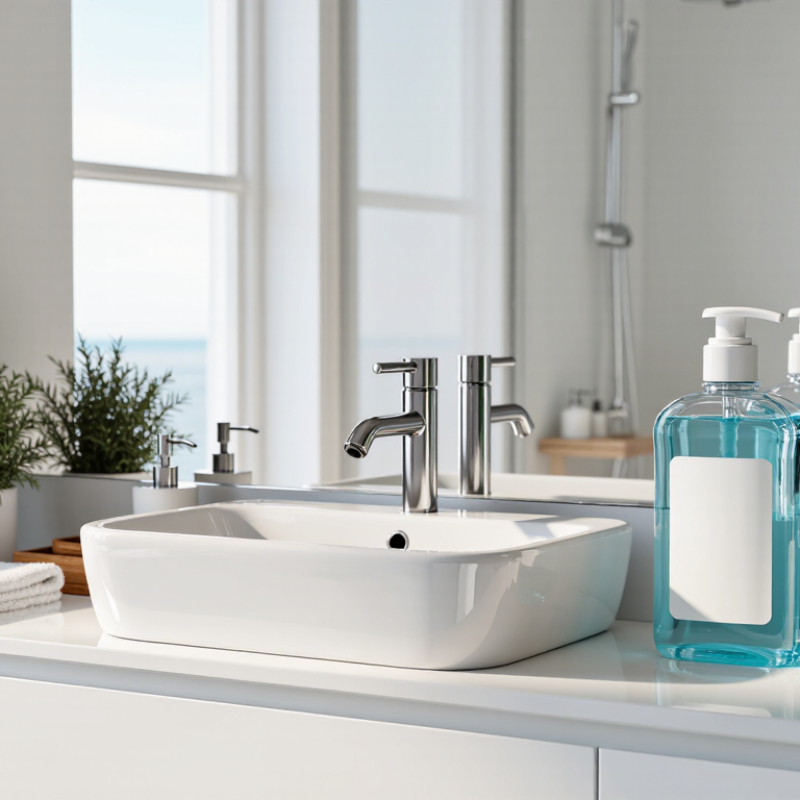
What Whitening Mouthwash Is and How It Works
Whitening mouthwash is a rinse intended to reduce some tooth stains and, in some formulas, lighten natural tooth color. Many products contain hydrogen peroxide or another peroxide compound. These ingredients release reactive molecules that can break down colored compounds on enamel. Other rinses focus on surface stains, helping loosen or prevent marks from coffee, tea, and similar drinks. Not magic. The distinction matters: removing surface discoloration is not the same as changing the tooth’s underlying shade.
A rinse usually contacts teeth for only a short time, so visible changes may be gradual and modest. Results vary with the type of stain, the formula, and how consistently someone uses it. Read the directions and avoid swallowing the rinse. More is not better. Some people notice temporary tooth sensitivity or gum irritation; stop use and ask a dental professional if these problems persist. Whitening rinses also do not change the color of fillings, crowns, or veneers, which can leave uneven shades. It is easy to expect a dramatic result from a simple daily step, but that expectation deserves a second look.
Why Whitening Mouthwash Is in High Demand
Peroxide-based whitening rinses work through repeated contact with teeth. The chart shows the order of the process—not measured whitening strength or guaranteed results.
Peroxide can oxidize stain-causing molecules, making some stains less visible over time. Results vary by product and person; whitening mouthwash may have limited effect on deeper, intrinsic discoloration. Follow the product label.
Ingredients Commonly Used in Whitening Mouthwash
Whitening mouthwash is popular because it fits easily into a daily routine. Its ingredients, however, do different jobs. Hydrogen peroxide is a common whitening agent. It can help reduce some surface stains by releasing oxygen compounds. The effect is usually gradual, not dramatic. That matters. A rinse cannot change the natural color of teeth or replace professional dental care.
Some formulas also use sodium hexametaphosphate or pyrophosphates. These ingredients can help limit new stain deposits from coffee, tea, or tobacco smoke. They do not bleach teeth in the same way as peroxide. Surfactants help spread the liquid across tooth surfaces, while flavoring agents make rinsing more pleasant. Ingredient lists vary, so checking the label is worthwhile.
Sensitivity is a real consideration. Peroxide may irritate gums or make teeth feel temporarily sensitive, especially with frequent use. Follow the product directions, and stop if discomfort persists. People with gum problems, dental restorations, or ongoing sensitivity should ask a dental professional before choosing a whitening rinse. A bright-looking smile sounds simple, but results depend on the stain, the formula, and consistent use. I would not expect every rinse to work equally well.
Factors Driving Demand for Whitening Mouthwash
Whitening mouthwash is gaining attention because it fits an existing routine: a quick rinse after brushing needs no tray, appointment, or extra device. Convenience matters. The American Academy of Cosmetic Dentistry’s 2015 survey reported that 86% of responding dental patients had requested tooth whitening. That finding points to consumer interest in brighter smiles, though it does not measure mouthwash purchases specifically. Appearance is only part of the appeal. A portable bottle can feel like an easy, low-effort addition to a bathroom shelf or travel bag.
Market data provides broader context. Grand View Research estimated the global teeth-whitening market at about US$7.2 billion in 2022 and forecast continued growth. This figure covers whitening products and services, not mouthwash alone. That distinction matters. Mouthwashes may help reduce some surface stains, but results depend on formulation, use, and the cause of discoloration. They should not be assumed to change the shade of teeth in the same way as professional treatment. Some users also experience sensitivity or irritation, so checking product directions and asking a dental professional is sensible. I would not overread the market figure: interest in whitening is clear, but it does not prove every rinse delivers visible results.
Potential Benefits and Limitations of Regular Use
Why Is Whitening Mouthwash in High Demand?
Potential Benefits and Limitations of Regular Use
Whitening mouthwash appeals to people who want a simple addition to brushing. It may help lift some surface stains from coffee, tea, or dark-colored foods. The effect is usually gradual, not dramatic. The American Dental Association notes that whitening rinses may take up to 12 weeks to show a visible change. That wait can feel longer when a front tooth catches the light differently in the mirror. Rinses also cannot whiten crowns, fillings, or veneers to match natural teeth.
Expectations deserve care. A 2018 Cochrane review examined 71 home-tooth-whitening trials involving 3,780 adults. It found that evidence for many whitening methods was low or very low certainty; the review was not specific to mouthwash. Sensitivity and oral irritation were reported across whitening approaches. Some users may notice discomfort, especially with frequent use or an already sensitive mouth. Whitening rinses are not a substitute for brushing, flossing, or a dental checkup, and more use does not necessarily mean better results.
Tips: Follow the label, spit rather than swallow, and stop if irritation develops. If stains persist or sensitivity is troublesome, ask a dental professional before continuing.
How to Choose and Use Whitening Mouthwash Safely
Whitening mouthwash is popular because it fits into an ordinary brushing routine. Some formulas use peroxide to help reduce surface stains, but changes are usually gradual and modest. Read the active ingredients and directions rather than judging by a sharp taste or strong color. A dental-association seal, where available, can offer another point to check. Mouthwash cannot replace brushing, flossing, or professional advice.
Use the measured amount and rinse for the time stated on the label. Do not swallow it, and do not use more often than directed; extra rinsing will not necessarily brighten teeth faster. Keep the bottle away from young children, who may accidentally swallow it. Directions vary, so avoid assuming every product works the same way. A strong minty feeling is not proof that stains are lifting.
If your teeth are sensitive, your gums are sore, or you have crowns or fillings, ask a dentist before starting. Whitening products may increase sensitivity, and restorations do not whiten like natural teeth. Stop using the rinse if irritation develops. It is easy to expect a dramatic change from one small step, but the result may be subtle. That expectation is worth checking before you keep using a product that feels uncomfortable.
| Topic | What to Know | How to Choose or Use It Safely | Practical Expectation |
|---|---|---|---|
| Why people choose it | It is easy to add to an existing oral-care routine and can reach areas that are difficult to brush. | Use it as an extra step, not as a replacement for brushing with fluoride toothpaste or cleaning between teeth. | Convenience may explain its appeal, but it does not guarantee a particular whitening result. |
| Surface-stain removal | Some whitening rinses use peroxide-based ingredients to help lighten certain surface stains over time. | Check the active ingredients and follow the product label. Do not assume that a higher concentration or longer use is safer or more effective. | Results are generally gradual and may be more limited than those from professional whitening treatments. |
| Types of discoloration | Extrinsic stains form on the tooth surface; intrinsic discoloration occurs within the tooth and can have different causes. | If discoloration is persistent, uneven, or associated with a damaged tooth, ask a dental professional about the cause before whitening. | A rinse may not substantially change intrinsic discoloration, crowns, veneers, or fillings. |
| Choosing an ingredient | Peroxide is used in some products for whitening. Fluoride in a rinse is intended to help prevent tooth decay, not to bleach teeth. | Choose a product intended for your needs, read all warnings, and check with a dentist or pharmacist if you have oral-health concerns. | Ingredient and concentration alone do not establish that a product is right for every user. |
| Following directions | Rinsing time and frequency vary by product. | Measure and rinse exactly as directed on the label; spit it out and do not swallow it. Do not extend the rinsing time. | There is no single schedule that applies to every whitening mouthwash. |
| Tooth sensitivity or irritation | Whitening products may cause temporary tooth sensitivity or irritation of the mouth in some people. | Stop using the product if symptoms are significant or persistent, and consult a dental professional before restarting. | More frequent use is not a safe way to speed up whitening. |
| Children | Young children may swallow mouthwash rather than spit it out. | Children under 6 should not use mouthrinse unless directed by a dentist or other healthcare professional. Follow the product’s age limits and supervise older children as needed. | Keep mouthwash out of children’s reach and seek professional advice if it is accidentally swallowed in a concerning amount. |
| Dental work and oral health | Whitening rinses do not whiten tooth-colored restorations such as crowns, veneers, or fillings. | Ask a dentist before whitening if you have untreated cavities, gum problems, oral sores, dental restorations, or ongoing sensitivity. | Whitening may make the color difference between natural teeth and restorations more noticeable. |
| Best routine | Daily brushing with fluoride toothpaste and cleaning between teeth remain central to oral care. | Use a whitening rinse only as directed and maintain regular dental checkups and professional advice. | A rinse can complement routine care, but it cannot replace it. |
Related Posts
-
China Top Whitening Mouthwash Suppliers for Global Buyers
-
10 Best Whitening Mouthwash Options for Achieving a Brighter Smile
-
What Makes Whitening Mouthwash a Game Changer for Oral Care
-
Maximizing Customer Satisfaction with Best Whitening Mouthwash After Sales Support and Maintenance Savings
-
5 Best Dental Care Tips for a Bright Smile
-
How to Choose the Right Ultrasonic Scaler for Your Dental Practice