Top Teeth Whitening Powder Types for Buyers in 2026

Teeth Whitening Powder is drawing renewed attention as buyers compare ingredient profiles, abrasion, flavor, packaging, and price. The wider whitening market offers context, but it does not tell the whole story. Grand View Research estimated the global teeth-whitening market at about US$7.2 billion in 2023. Its category includes products beyond powders, so that figure should not be mistaken for powder sales. Still, it signals sustained consumer interest in brighter smiles.

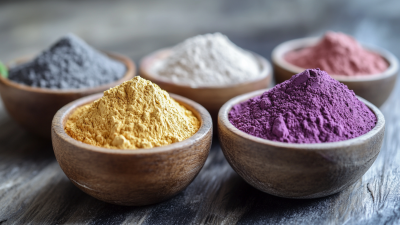
The main powder types differ in how they clean and what buyers expect from them. Charcoal-based formulas appeal to shoppers seeking a darker, mineral-style product. Baking-soda and other mineral powders are often positioned around surface-stain removal. Some products combine ingredients or add flavors, which can change the experience without proving stronger whitening. The American Dental Association notes that whitening toothpastes generally target surface stains; they do not necessarily change a tooth’s underlying color. That distinction matters.

Look beyond dramatic claims. Check the full ingredient list, directions, and any available safety or quality information. The ADA advises consumers to discuss whitening with a dentist, especially when they have sensitive teeth or existing dental work. Product labels cannot replace that guidance. A useful comparison also asks whether the powder is easy to dose, seals securely, and feels comfortable during brushing. Small details count. The category is not perfectly tidy, and marketing language can blur important differences. This guide examines leading powder types for 2026 with those practical limits in view, helping buyers compare options without treating every formula as equally effective or suitable.
Top Teeth Whitening Powder Types for Buyers in 2026

How Whitening Powders Work: Abrasion, Adsorption, and Peroxide

Whitening powders work through different mechanisms, and the label does not always make the difference obvious. Abrasive formulas use fine particles to scrub away surface stains from coffee, tea, or tobacco. On a damp toothbrush, the powder may feel gritty. That sensation is not proof of better whitening. Frequent or forceful brushing can wear enamel and irritate gums, especially when the powder is highly abrasive.

Adsorbing ingredients, such as certain forms of charcoal or clay, bind some compounds on the tooth surface. Their effect is mainly cosmetic and may be limited; dark powder does not necessarily remove more stain.

Peroxide-based powders work differently. Peroxide can lighten stains within the tooth, but its concentration and contact time matter. Sensitivity can occur. Stop using a product if burning or persistent discomfort develops, and ask a dental professional before use if you have gum disease, exposed roots, or dental restorations.

For buyers in 2026, check the ingredient list, directions, and any available testing information rather than relying on dramatic color claims. Powder texture, brushing pressure, and frequency all affect risk. A gentle routine matters.

One awkward detail: a product can make teeth look cleaner by polishing surface stains while leaving deeper discoloration unchanged. For a change in tooth color, a dentist can help identify the cause and discuss suitable options.

Main Formulas: Baking Soda, Charcoal, Peroxide, and Hydroxyapatite

Buyers comparing tooth powders in 2026 should look beyond package color and check the active formula. Baking soda may help lift surface stains from coffee or tea through gentle abrasion. It does not bleach the tooth’s deeper structure. Pressure matters. Brushing hard or using a rough powder can irritate gums and wear enamel over time, especially when used frequently.

Charcoal powders are often sold as powerful stain removers, but dark color alone does not prove better cleaning. Evidence that charcoal whitens teeth is limited, and some formulas may be abrasive. Peroxide works differently: it can lighten stains through oxidation, but may cause temporary tooth sensitivity or gum irritation. Check the product’s directions and ingredients, and avoid assuming that a powder’s format makes it gentler.

Hydroxyapatite is a mineral used in some oral-care products to support enamel repair and reduce sensitivity. It may improve the tooth surface’s appearance, but it is not the same as peroxide bleaching. A useful label check is whether the powder states its ingredients, use frequency, and safety instructions clearly. Be cautious with dramatic before-and-after photos; lighting can flatter results. Powder can also be messy around a wet sink. If you have sensitive teeth, gum problems, or existing dental work, ask a dental professional before changing your routine.

ADA Benchmark: Seal-Eligible Dentifrices Keep RDA at or Below 250

For teeth-whitening powder buyers in 2026, the RDA value deserves close attention. Relative dentin abrasivity measures how strongly a dentifrice can wear dentin under standardized testing. The American Dental Association sets 250 as the upper RDA limit for dentifrices seeking its Seal of Acceptance.

That is a ceiling, not a target. Lower abrasivity does not automatically mean better stain removal.

Powders may rely on polishing agents such as silica or calcium carbonate, while some use charcoal. Their texture can feel gritty between the teeth, but feel alone cannot establish abrasivity. ADA guidance treats RDA as a laboratory measurement, not a whitening score. Not the same. A product must also meet other ADA requirements; an RDA below 250 alone does not qualify it for the Seal.

Ask suppliers for a tested RDA value and the supporting method, rather than relying on “gentle” or “natural” wording. ISO 11609, the international dentifrice standard, includes laboratory procedures for evaluating abrasivity. One practical gap remains: some powder listings provide no verified RDA figure. That leaves buyers guessing.

A transparent specification sheet is more useful than a dramatic whitening claim, especially when comparing powders for frequent use. ADA and ISO figures are benchmarks, not a promise that every user will experience the same results.

EU Rule: Peroxide Above 0.1% and Up to 6% Requires Dental Oversight

Buyers comparing whitening powders in 2026 should check active ingredients, not just shade claims. Under EU cosmetics rules, oral products containing or releasing more than 0.1% and up to 6% hydrogen peroxide are restricted to dental-practitioner supply. A dentist must make the first application or directly supervise it. The product may then be supplied for the remaining course. These products are not for people under 18. The threshold matters. Check the ingredient list and directions, and ask a dental professional if the peroxide level is unclear.

Many peroxide-free powders use abrasives such as silica or bicarbonate to lift surface stains. They cannot reliably change the natural color beneath enamel. Fine grains still matter: frequent, forceful brushing may wear enamel or irritate gums, especially around exposed roots. Charcoal powders can look persuasive, but evidence for whitening is limited. Dark residue may also collect near the gumline. Not ideal. Follow the stated frequency, and stop if sensitivity persists. I’d be cautious about dramatic claims. They are easy to print. Stain causes are harder to judge without an examination.

Top Teeth Whitening Powder Types for Buyers in 2026 — EU Rule: Peroxide Above 0.1% and Up to 6% Requires Dental Oversight

Powder type Common ingredient profile What it can realistically do EU peroxide considerations Buyer checks
Bicarbonate-based powder Sodium bicarbonate, sometimes combined with flavouring or other cleaning ingredients. Can help remove some external surface stains through cleaning. It does not change the natural colour of teeth in the way peroxide bleaching can. Does not itself establish that a product is peroxide-free. Check the full ingredient list and whether any ingredient releases hydrogen peroxide. Look for clear ingredient and use directions. Consider abrasivity and suitability for people with sensitive teeth or gum conditions.
Calcium carbonate powder Calcium carbonate as a polishing or cleaning ingredient, sometimes in a blended powder. Primarily intended to help clean teeth and lift surface deposits; results depend on the complete formulation and use. Calcium carbonate is not hydrogen peroxide. The EU peroxide limits still matter if the finished product contains or releases hydrogen peroxide from another ingredient. Check for a complete ingredient list, directions, and product-specific safety information; do not assume that “natural” means non-abrasive.
Silica-based powder Hydrated silica or other silica ingredients, often used as cleaning or polishing agents. Can help remove external stains by polishing. It is not a chemical bleach unless a bleaching ingredient is also present. Silica is not peroxide. Check for hydrogen peroxide or peroxide-releasing ingredients elsewhere in the formula. Assess the full formula rather than judging abrasivity from one ingredient alone. Follow the stated frequency and brushing instructions.
Activated-charcoal powder Activated charcoal, sometimes combined with cleaning agents or flavouring. May help with surface cleaning, but evidence that charcoal products whiten teeth beyond removing surface stains is limited. Charcoal does not itself trigger the peroxide threshold. Any peroxide-containing or peroxide-releasing ingredients must be assessed separately. Check for independent evidence and clear safety directions. Frequent or aggressive use of abrasive products may wear tooth surfaces.
Peroxide-containing or peroxide-releasing powder May contain hydrogen peroxide or an ingredient that releases hydrogen peroxide when used, such as a peroxide-based compound. Peroxide can chemically bleach tooth colour; the result and suitability depend on concentration, exposure, and individual dental condition. EU rule: products containing or releasing up to 0.1% hydrogen peroxide (including that released) may be sold directly to consumers under the applicable cosmetic rules. Above 0.1% and up to 6%, sale is restricted to dental practitioners; the first use in each treatment cycle must be by a dental practitioner or under their direct supervision, with the consumer able to complete the cycle. These products must not be used on anyone under 18. Products above 6% are not permitted for tooth-whitening products under this EU framework. Verify the hydrogen-peroxide concentration, including the amount released by other ingredients, the intended market, directions, and any required dental-professional involvement. Do not infer compliance from front-label claims alone.
Blended polishing powder Combinations of cleaning ingredients such as bicarbonate, calcium carbonate, or silica; formulas vary. Usually targets external stains and deposits rather than intrinsic tooth discolouration. Performance cannot be determined from the product category alone. Apply the peroxide rules if the finished product contains or releases hydrogen peroxide, regardless of the powder’s other ingredients. Review every ingredient, directions, warnings, and intended user group. Avoid assuming that a blend is peroxide-free or suitable for daily use.

Regulatory note: EU thresholds and conditions above are based on Regulation (EC) No 1223/2009, Annex III, entry 12, for oral products containing or releasing hydrogen peroxide. Product classification and compliance depend on the finished product and its intended use. For persistent discolouration, tooth sensitivity, or gum problems, seek advice from a dental professional.

Buyer Checks: Evidence, Abrasivity, Fluoride, and Label Transparency

A whitening powder should earn trust with evidence, not dramatic before-and-after photos. Look for studies on the finished product, not just one ingredient. Check who conducted the research, how many people took part, and whether results measured stain removal or actual tooth shade. These are different outcomes. Claims need proof.

Abrasivity is harder to judge by sight. Fine powder can still be abrasive, while a gritty feel does not provide a reliable measurement. Look for a disclosed test method and an abrasivity value, where available, and ask whether it applies to the finished formula. Texture can mislead. If the seller gives no useful information, treat that gap as a reason to compare other products. Even careful shoppers may find the data difficult to interpret.

Check whether the label clearly lists fluoride, its form, and concentration, if present. Whitening powders vary, and not every product contains fluoride. Consider your cavity risk and ask a dental professional if you are unsure what suits you. Read every line. A useful label also gives complete ingredients, clear directions, cautions, and contact details. Watch for vague phrases such as “natural whitening” without specifics. The packaging may look polished; transparency is more useful.