What Are the Top Types of Oral Care Products in 2026?

In 2026, Oral Care products are less about a crowded bathroom shelf and more about choosing tools that fit real daily routines. A soft-bristled electric or manual toothbrush, fluoride toothpaste, and floss remain the foundation. Dr. Edmond Hewlett, a UCLA School of Dentistry professor and former American Dental Association consumer adviser, has stressed the value of this daily routine: “Brush twice a day with fluoride toothpaste, and clean between your teeth once a day.” The basics still matter.

Around that foundation, product choices are expanding. Water flossers and interdental brushes can help clean between teeth, especially where ordinary floss feels awkward. Mouth rinses serve different purposes, so labels matter: a cosmetic rinse is not the same as a therapeutic one. Whitening strips and pastes may appeal to shoppers seeking a brighter smile, but sensitivity can follow. Children may need age-appropriate brushes and toothpaste, while people with dry mouth or braces may benefit from more specific options. Small details count: a brush head that reaches the back molars, or a floss handle that is easy to grip.

This overview compares the leading product types by purpose, evidence, and practical use—not by packaging claims alone. Still, no single ranking suits everyone. That part is imperfect. Personal needs, dental advice, and consistent habits should guide the final choice.
What Are the Top Types of Oral Care Products in 2026?

Core Categories of Oral Care Products in 2026

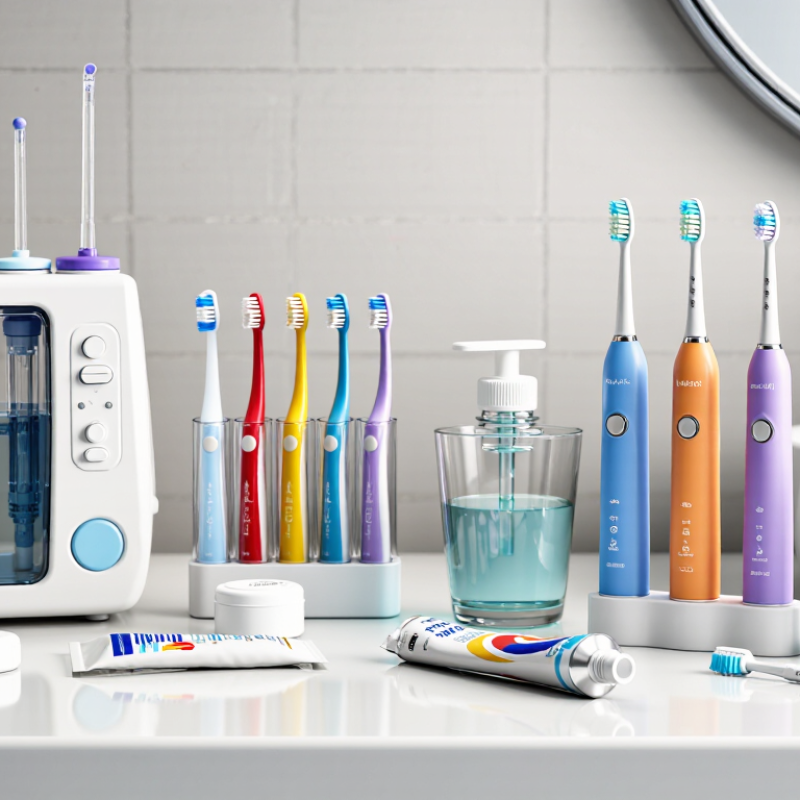
Core oral care products in 2026 include toothbrushes and toothpastes. Manual brushes are simple to control, while powered brushes can help people follow a steady brushing routine. Soft bristles are generally a practical choice, especially for people who brush firmly. Replace a brush head when its bristles look worn. Fluoride toothpaste helps protect against tooth decay when used as directed.

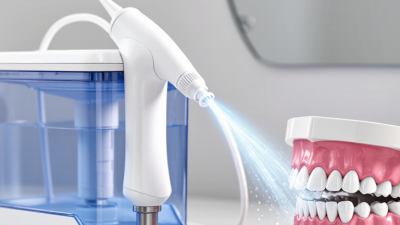
Small gaps need attention, too. Dental floss, interdental brushes, and water flossers help clean between teeth, where a toothbrush may not reach well. The right option depends on spacing, dexterity, and dental work. Fit matters. A brush that is too large can irritate the gums, while floss may be easier for tight spaces. A dental professional can offer personalized guidance.

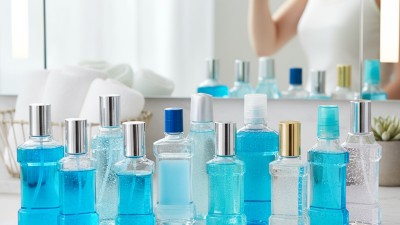
Mouth rinses, tongue cleaners, and products for dentures or retainers round out the category. Mouthwash can support a routine, but it does not replace brushing or interdental cleaning. Some products target dry mouth or sensitivity, so checking active ingredients and directions is worthwhile. The labels can make these categories seem neatly separate; real routines overlap. That distinction is easy to miss. A product is only useful if it suits the person using it consistently.

Products for Cleaning Teeth and Removing Plaque

Products for cleaning teeth and removing plaque work best as a simple routine, not a crowded bathroom shelf. A soft-bristled manual or powered toothbrush can loosen plaque along the gumline; choose a head that reaches back teeth comfortably. Fluoride toothpaste helps protect enamel while brushing. Adults can use a pea-sized amount and spit it out rather than swallow. Brushing twice daily for about two minutes is a practical target, though people often rush the last few teeth. Small details matter.

Plaque also collects between teeth, where brush bristles may not reach. Floss or an appropriately sized interdental brush can clean these spaces once a day. The brush should slide through gently; forcing it may irritate gums. A water flosser can be useful for some people, including those with braces or limited hand control, but it may not replace every cleaning method. Mouthwash can support freshness or specific dental needs, yet it does not scrub plaque away. No tool works perfectly for everyone.

Tips: Brush with light pressure and angle the bristles toward the gumline. Replace a worn brush head, and ask a dental professional to show you suitable interdental sizes. If bleeding persists, do not simply brush harder; seek dental advice.

What Are the Top Types of Oral Care Products in 2026? — Products for Cleaning Teeth and Removing Plaque

Product Type Main Purpose How It Helps with Plaque Typical Use Practical Selection Tip
Toothbrushes (manual or powered) Clean tooth surfaces and the gumline. Brush bristles mechanically disrupt and remove plaque from accessible tooth surfaces. Brush for about two minutes, twice daily, using a soft-bristled brush. Choose a comfortable handle and head size. Replace the brush or brush head when bristles become frayed, usually every three to four months.
Fluoride toothpaste Help prevent tooth decay while brushing. Brushing with toothpaste helps clean tooth surfaces; fluoride strengthens enamel and helps prevent cavities. Toothpaste alone does not replace brushing or interdental cleaning. Use a fluoride toothpaste when brushing twice daily. Spit out after brushing; avoid rinsing immediately if following standard dental guidance. Check the label for fluoride. Follow age-specific directions for young children and ask a dental professional if you have special needs.
Dental floss Clean tight spaces between teeth. Slides between teeth to remove plaque and food debris where a toothbrush may not reach. Clean between teeth daily, using a gentle technique along the sides of each tooth. Waxed, unwaxed, tape, and specialty floss can suit different preferences or spacing; select one that is comfortable to use consistently.
Interdental brushes Clean wider spaces between teeth and around dental work. The small brush passes through open spaces to mechanically remove plaque from surfaces between teeth. Use daily where the brush fits comfortably without force. Choose a size that fits the space. A dental professional can help select sizes, especially around braces, bridges, or implants.
Antiseptic or therapeutic mouth rinse Provide an additional oral-care step for specific needs, such as reducing plaque or gingivitis. Some formulations can reduce oral bacteria and help limit plaque buildup, but rinsing does not remove established plaque as effectively as brushing and interdental cleaning. Use only as directed on the product label or by a dental professional; it is not a substitute for brushing or flossing. Choose a rinse for a specific need. Some rinses are not suitable for young children, and alcohol-free options are available.
Tongue cleaner Clean the surface of the tongue and help reduce tongue coating. Removes material from the tongue surface; it does not replace cleaning plaque from teeth or between teeth. Use gently as part of an oral-care routine if desired. Choose a smooth, easy-to-clean design and avoid scraping hard enough to cause soreness or bleeding.
Water flosser Direct a stream of water around teeth and along the gumline. Can help flush debris and support cleaning between teeth, especially for some people with braces or dental work; it may complement, rather than replace, other cleaning methods. Use according to the device instructions, directing the stream along the gumline and between teeth. Look for comfortable pressure settings and a tip suited to your needs. Ask a dental professional whether it fits your routine.

Note: Plaque is a biofilm that forms on teeth. Regular brushing and daily cleaning between teeth are central to plaque control; product choice should reflect individual needs and advice from a dental professional.

Products That Protect Teeth and Strengthen Enamel

What Are the Top Types of Oral Care Products in 2026?
Products That Protect Teeth and Strengthen Enamel

A fluoride toothpaste is a practical daily choice for helping protect enamel from acid attacks. Use a pea-sized amount and brush gently for two minutes, reaching the gumline and back teeth. Spit after brushing rather than rinsing vigorously, so less fluoride is washed away. Small habits matter.

A soft-bristled toothbrush helps remove plaque without unnecessary scrubbing. Replace it when the bristles splay; worn bristles clean less effectively. Floss or use an interdental cleaner to remove food and plaque between teeth, where a brush may not reach. Those tight spaces count.

Some mouth rinses contain fluoride and can provide extra support, especially for people at higher risk of cavities. They do not replace brushing or cleaning between teeth. Check the label, and ask a dental professional whether a rinse suits your needs. More products do not always mean better care. Enamel does not grow back once it is lost, though fluoride can support remineralization of early weak spots. Frequent acidic drinks can still challenge teeth, even with a careful routine. It is easy to overlook that.

What Are the Top Types of Oral Care Products in 2026?

Representative fluoride concentrations in products that help protect teeth and support enamel remineralization.

Concentrations vary by product and country. The examples shown are 1,450 ppm fluoride toothpaste, a 0.05% sodium fluoride daily rinse (about 226 ppm fluoride), and 5% sodium fluoride varnish (about 22,600 ppm fluoride). These concentrations are not a comparison of effectiveness: products differ in how and how often they are used. Follow product directions and ask a dental professional what is appropriate for you.

References: American Dental Association guidance on fluoride toothpaste and mouthrinse; CDC guidance on fluoride varnish.

Products for Gum, Tongue, and Breath Care

Gum-care products work best when they support gentle, consistent cleaning. A soft-bristled toothbrush can reach the gumline without harsh scrubbing. Interdental brushes or floss help clear food and plaque between teeth, where a regular brush may miss. Choose a size that fits comfortably; forcing a brush into a tight space can irritate tender gums. Small habits matter. If gums bleed repeatedly, arrange a dental check rather than simply switching products.

Tongue cleaners are another useful option for daily oral care. A scraper or toothbrush can sweep the tongue gently from back to front, then be rinsed between passes. There is no need to press hard. The tongue can feel sensitive, and over-cleaning may cause soreness. Some people notice a fresher mouth afterward, though results vary. Not always easy. Consistency matters more than a complicated routine.

Breath-care products include sugar-free gum, mouth rinses, and products designed to ease dry mouth. Water can also help when the mouth feels dry, especially after exercise or a long conversation. A rinse may temporarily mask odor, but it does not replace brushing and cleaning between teeth. Persistent bad breath can have several causes, including dental problems or dry mouth. It deserves attention, not embarrassment; a dental professional can help identify what is going on.

Specialized and Technology-Enabled Oral Care Products

Specialized and technology-enabled oral care products focus on particular needs rather than replacing basic brushing. An electric toothbrush with a pressure sensor can alert users when they press too hard. Some models track missed areas, but app scores are prompts, not diagnoses. A two-minute timer helps, while a compact brush head can reach behind molars. Still, charging another device can become one more bathroom chore. That matters.

Water flossers can clean around braces and bridges, though the sensation may feel strange at first. They do not replace brushing or other interdental cleaning. Interdental brushes and floss picks offer practical options for cleaning between teeth; the right choice depends on spacing and dexterity. A tongue scraper is a simple tool for removing surface coating. Small details count.

Other specialized products target sensitivity or dry mouth. Toothpaste formulated for sensitive teeth may help with consistent use, but ongoing pain or bleeding deserves a dental professional’s assessment. Smart reminders can encourage regular routines, yet sensors cannot judge gum health or correct every technique. Not every feature earns its place. A product that is easy to use each day may be more useful than one with a crowded app and settings.