
Why Is Oral Care Essential for Global Buyers?
Oral Care is a daily health necessity, not merely a personal-care category. The World Health Organization’s Global Oral Health Status Report 2022 estimates that nearly 3.5 billion people live with oral diseases. It also reports untreated caries in approximately 2 billion permanent teeth and 514 million children’s primary teeth. These figures show a vast, recurring need for toothpaste, toothbrushes, interdental products, and professional solutions.
For global buyers, the opportunity is practical and demanding. A family may compare fluoride claims on a small toothpaste tube, inspect bristle softness, or choose packaging that survives humid warehouse conditions. Product quality must remain consistent across different climates, languages, and consumer habits. Buyers should examine ingredient evidence, manufacturing controls, product testing, traceability, and local labeling requirements. The WHO Global Oral Health Action Plan 2023–2030 also encourages prevention, affordability, and stronger integration of oral health into wider healthcare systems.
Price alone is a weak purchasing measure. A cheaper brush may wear quickly, while unclear instructions can reduce correct use. That matters. Suppliers with transparent specifications, independent testing, and dependable documentation offer stronger commercial confidence. However, no report can fully predict local behavior. Rural access, income, water quality, and cultural preferences still shape demand. Global buyers therefore need both reliable data and grounded market experience. The best Oral Care strategy may not be the most complex one; it may be the one people can trust, understand, and use every morning.
What Is Oral Care and Why Does It Matter?
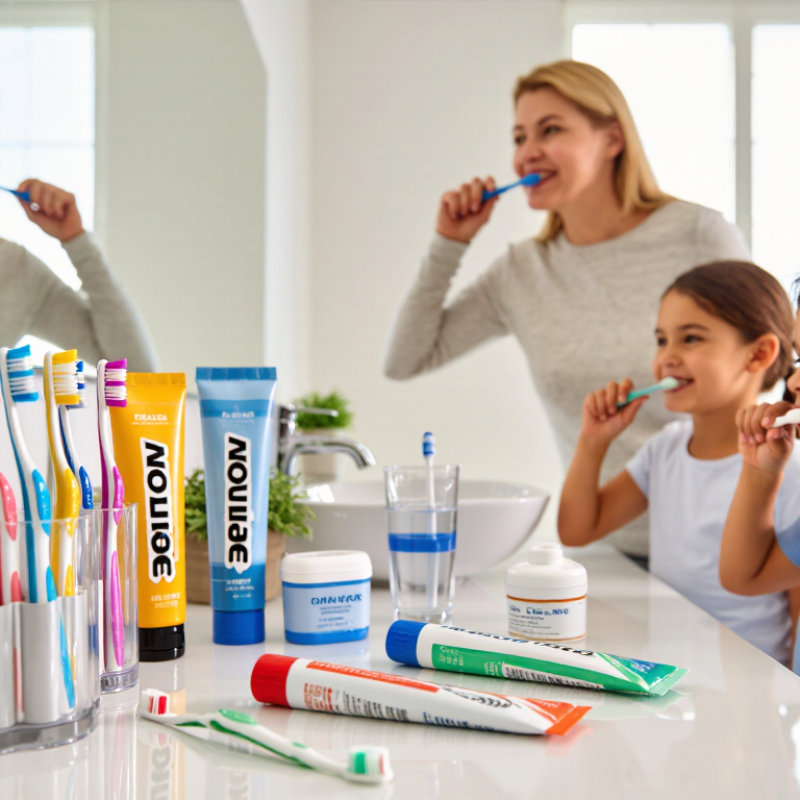
Oral care means the daily habits and products used to keep the mouth clean, comfortable, and healthy. It includes brushing, cleaning between teeth, caring for the tongue, and checking the gums. These actions help remove plaque, food particles, and bacteria that may contribute to tooth decay or gum problems.
For global buyers, oral care matters because mouth health affects eating, speaking, confidence, and daily comfort. A reliable oral-care product should have clear instructions, suitable materials, accurate labeling, and quality testing. Dental professionals commonly recommend fluoride toothpaste, soft-bristled brushes, and gentle cleaning between teeth. However, product needs can differ by age, sensitivity, habits, and local regulations. One detail is easy to overlook: a beautiful package cannot replace safe formulation and honest information. Buyers should examine certificates, ingredient lists, shelf life, and manufacturing controls before making decisions. Standards also vary across markets, so careful review remains necessary.
Tips: Replace a toothbrush about every three months, or sooner when bristles become worn. Brush twice daily for two minutes. Use gentle pressure. Hard brushing may irritate gums. Clean between teeth regularly, but avoid forcing floss into the gum tissue. If bleeding or pain continues, seek advice from a qualified dental professional.
I used to think stronger cleaning meant better results. It does not always. Comfort, consistency, and evidence matter more.
How Oral Care Supports Overall Health and Daily Well-Being
Oral care is not only about keeping teeth bright. It supports comfortable eating, clear speech, and fresher breath throughout the day. Daily brushing with fluoride toothpaste helps remove plaque and strengthen tooth enamel. Cleaning between teeth reaches areas a toothbrush often misses. A soft-bristled brush can reduce unnecessary irritation. Small habits matter.
Dentists commonly observe that neglected oral care can lead to gum irritation, tooth decay, and persistent discomfort. Plaque may trigger bleeding gums, especially when cleaning is inconsistent. Persistent bleeding should not be ignored. It may indicate inflammation, although only a qualified dental professional can identify the cause. Regular checkups can detect problems before pain affects sleep, appetite, or concentration. This is practical, not glamorous.
For global buyers, dependable oral-care products should support safe and realistic routines. Clear ingredient information, safety testing, comfortable designs, and appropriate instructions deserve careful review. Buyers should also consider local regulations and different consumer needs. In daily health education, convenience often determines whether people maintain a routine. Yet convenience alone is not enough. A pleasant flavor may encourage regular use, but it cannot replace evidence or professional guidance. Some routines fail because they are too complicated. That weakness deserves attention.
What Oral Care Products Do Global Buyers Source?
Global buyers are sourcing oral care products that solve daily problems at different price points.
These figures create demand for more than basic toothpaste.
Manual toothbrushes remain practical for mass retail, hotels, schools, and promotional programs.
Electric toothbrushes attract buyers seeking stronger features, rechargeable designs, and measurable cleaning routines.
Toothpaste portfolios commonly include cavity protection, fluoride formulas, sensitivity care, whitening, herbal options, and children’s products.
Floss, interdental brushes, tongue cleaners, and mouth rinses support complete routines.
Small travel kits matter too. They fit pharmacies, airlines, and convenience stores.
Procurement teams also examine bristle softness, handle materials, packaging size, shelf stability, and product instructions.
Fluoride content and safety claims require careful review in each destination market.
ISO 20126 provides a recognized framework for manual toothbrush quality testing.
The WHO report also identifies major inequalities in access, so buyers increasingly need affordable packs and simple packaging. Premium features alone are not enough.
A polished product can still fail if replacement heads are unavailable or instructions are unclear.
That is an uncomfortable sourcing lesson.
Buyers should request test reports, ingredient documentation, factory quality records, and samples before placing large orders. Claims should match evidence, not attractive packaging.
Which Factors Guide Global Oral Care Purchasing Decisions?
Global oral care buyers rarely choose products by price alone. They examine safety, clinical evidence, user needs, and supply reliability. A purchasing team may compare fluoride levels, abrasive strength, brush softness, and ingredient transparency. These details matter when products serve children, older adults, or people with sensitive gums.
Regulatory compliance is another major factor. Buyers check manufacturing records, testing reports, labeling accuracy, and market-specific requirements. Packaging should clearly show ingredients, directions, warnings, batch details, and shelf life. Local language matters too. A technically sound product can still fail when instructions confuse consumers. Certification helps, but buyers should verify the issuing body and testing scope.
Cost remains important, though the cheapest option may create hidden problems. Weak packaging can increase damage during humid ocean transport. Unstable supply can also interrupt retail schedules and dental programs. Experienced buyers often request samples, inspect seals, review quality-control procedures, and test products with local users. They may ask dentists and distributors for practical feedback. Real use reveals issues that documents miss.
Not every decision is perfectly objective. Forecasts can be wrong, and consumer preferences can change quickly. A product may perform well in one region but feel unsuitable elsewhere. Global purchasing therefore requires evidence, careful questions, and a willingness to revise assumptions.
How Quality Standards Shape International Oral Care Trade
Why Is Oral Care Essential for Global Buyers?
How Quality Standards Shape International Oral Care Trade
Global oral care trade depends on more than attractive packaging and competitive prices. Buyers need evidence that toothpaste, rinses, brushes, and related products remain safe and consistent across markets. Quality standards guide raw material selection, production hygiene, microbial testing, stability checks, and packaging control. Small details matter. A damaged seal can affect consumer trust and product safety.
In practical purchasing reviews, responsible buyers examine certificates of analysis, batch records, ingredient specifications, and supplier audit results. They also check fluoride levels, allergen declarations, shelf-life data, and storage conditions. Standards such as GMP and ISO-based quality systems can support reliable manufacturing, but certificates alone are not proof. They may be outdated, incomplete, or misunderstood. Verification still matters.
International requirements are not identical. A label accepted in one country may need different language, warnings, ingredient names, or usage instructions elsewhere. Importers should confirm destination-market rules with qualified regulatory specialists before shipment. Traceability is equally important. Each batch should connect clearly to its materials, production date, test results, and distribution records. The process is not perfectly smooth. Suppliers sometimes focus heavily on factory compliance while overlooking transport conditions or local communication. That gap deserves attention. Global buyers should value transparent records, realistic claims, and steady corrective action over polished promises.
Related Posts
-
What Should You Expect From Your General Dentist?
-
The Future of Oral Irrigation: Innovations in Dental Health Technology
-
Top 10 Best Antibacterial Mouthwash for Oral Health?
-

Evaluating the Cost-Effectiveness of Reusable Floss Picks: A Comprehensive Market Analysis
-
What Is a General Dentist and What Services Do They Provide?
-
Top 10 Tips for Sourcing Quality Dental Products Globally?
